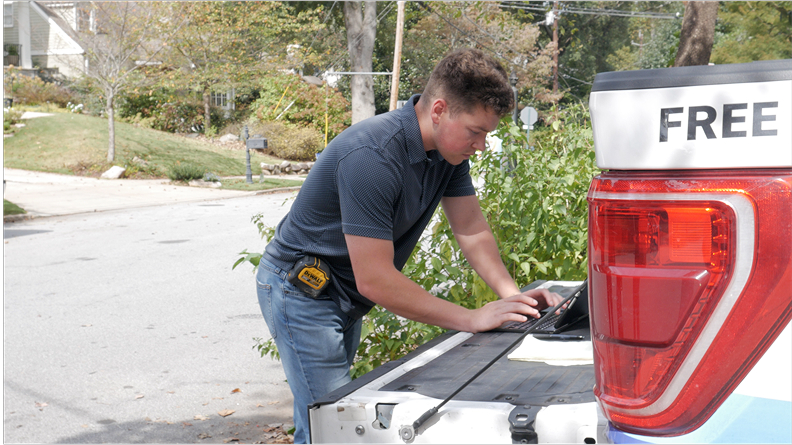
Industry Insights: ABID
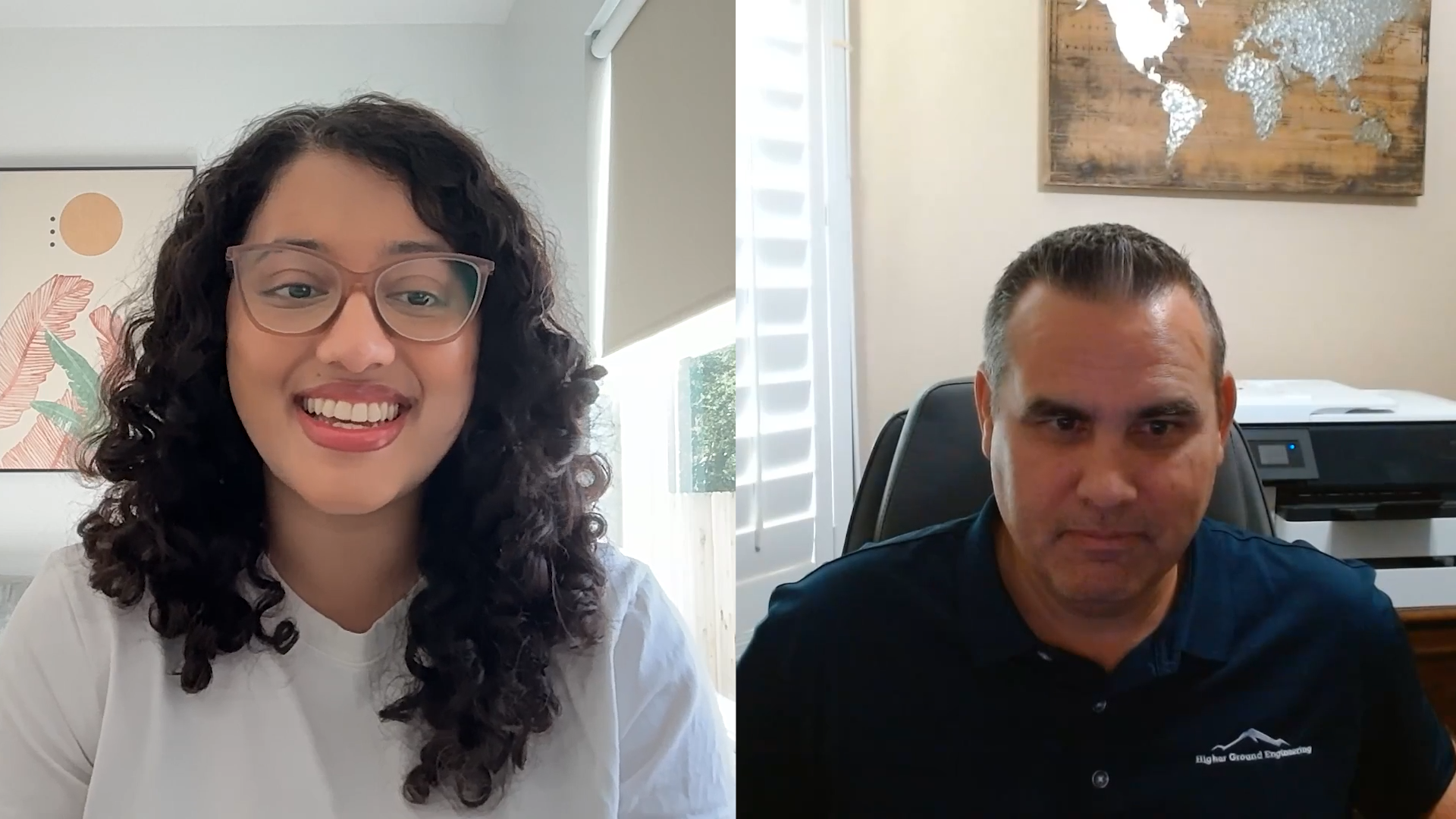
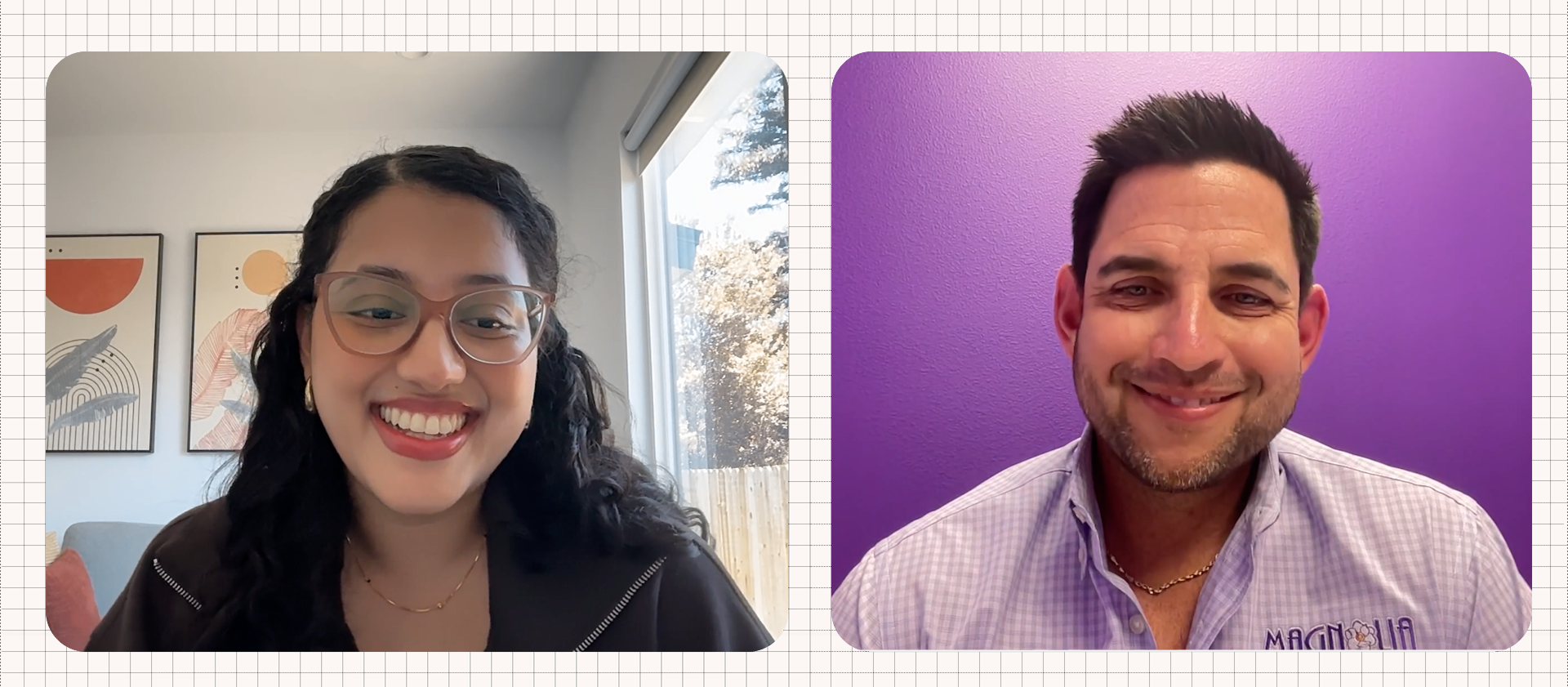
Guest: Greg Lason, President, Higher Ground Engineering; President, Association of Building Inspection and Design Professionals (ABID)
Host: Sanica Apte, ArcSite
Sanica Apte: [00:00] Well, Greg, thank you so much for joining me here today. We're really excited to have you on Industry Insights. But we'll start up nice and easy. Can you just introduce yourself with your name and what you do?
Greg Lason: Yeah, I am Greg Lason. I am president and owner of Higher Ground Engineering located in the Phoenix, Arizona metro area. And I'm also president of the Association of Building Inspection and Design Professionals. ABID, formerly National Academy of Building Inspection Engineers. Maybe we just recently went through a rebrand, and that's part of what we'll be talking about today.
Sanica Apte: Love it. So tell me a little bit about higher ground engineering. Just give me the quick story about how you guys got started and how you are in the role that you are in today.
Greg Lason: Well, that is a deep and long conversation. But the, high level version is I started higher ground engineering about a year ago, as just myself. So I am a sole proprietor working here in the Arizona area. I do have a couple of clients that are around the country that I do work for as well, but mainly here in Phoenix. I previously had another engineering company that we let go of and started higher ground, to simplify life. [01:30] So yeah.
Sanica Apte: Very important. And for those that might not know what sort of services do you offer and what do you do as a business?
Greg Lason: We mainly focus on building envelope exterior evaluation and repair design work. So any kind of structure, whether it be a residence, townhome, condominium, high rise commercial structure, we do evaluation of existing building envelope. A lot of water infiltration issues, structural evaluation. And then we design repairs for whatever we find that is wrong. We also do some ground up design work for residential, small residential stuff. So home remodels, casitas. Garages, things like that here in the Phoenix area.
Sanica Apte: Awesome. So I want to shift gears and talk a little bit about ABID. Can you give me an overview about what the association is and what it does for its members?
Greg Lason: Yeah. So historically when we were founded, we were founded as a group of professional engineers that did home inspections and building inspections for either commercial or, condo, townhome association work. Over the years, our firms have really expanded [03:00] their service offerings. So most all the firms now still professional engineers, professional architects. But they do a lot more than just building inspections. So a lot of us do, you know, design work and forensics and, they some still do reserve studies and, you know, regular inspection work, but so that's why we kind of evolved into the Association of Building Inspection and Design Professionals. We felt that the name NABIE didn't really capture the breadth of what our organization actually does. So that's kind of the name change. So essentially now we're looking to market to any professional, that has to do with building design or repair or evaluation. Material suppliers that supply that industry. We had a landscape architect just applied to the association just last week. We have architects, we have professional engineers. We have general contractors, you know, that are part of that industry all within the same envelope.
Sanica Apte: Amazing. And give me a bit of an overview about the services that ABID offers to its members. Do you guys have a location you're based out of? How many members do you have? [04:30] Do you run events? That sort of thing?
Greg Lason: Yeah. So we are a nationwide. We have members throughout the country. Right now I think our membership is somewhere between 75 and 100. We're actually transitioning through all of our old records at this point. In weeding out those that either have retired or are no longer part of the, that industry. And then we're getting several new as well. So that's a fluid number at this point. I really don't know how to answer that one. We do have a regular conference that we put on every year. This year's conference is going to be in February and Scottsdale, Arizona, and that's going to be on February the 18th, is going to be our golf outing and open and reception. And then conference is going to be Friday the 19th, 20 and 21st. Anyone that is either a part of the organization or within that realm was welcome to attend. We'd love to have you. As far as other kind of member benefits. We do have a partnership with you guys at ArcSite for anyone that's in our organization has access to their tools. Something that literally happened last night. Excuse me. [06:00] We had a. There's a company called InspectMind, which is a report writing software company. And also they do a drawing design checks. It's a plan review checker. They actually came to us, like I said, last night, and we discussed they're going to provide, free access to their software for all of our members. So that's something literally that I'm announcing in this interview. No one, even the board doesn't even know about it yet. So this is how new this is. So congratulations. We also do regular webinars or trying to start doing regular webinars. Our next webinar is going to be October the 14th. And I believe that's actually with you guys as well. We're doing a joint webinar. So, we're going to be doing regular webinars, hopefully on a monthly basis once we get that kind of up and rolling. Right now we're seriously still in this major transition phase. So, trying to get a lot of these things online. But the plan is in addition to the conference, in addition to the webinars, in addition to the various professional, things we get to, have access to having other either local events, one off type things throughout the year, there will be planned [07:30] by local offices and whatnot. So, the best way to understand what's going on is to go to the website, go to the events page. We keep that updated on regular basis. So as things come online, be able to register for it that way.
Sanica Apte: Amazing. And I think one of the most exciting parts about being a member of something like ABID is having that community. I remember I got to talk to Edward Robinson, one of your members, and one of the things he brought up when I spoke to him is that he just has another few brains to be able to bounce ideas off of, like, oh, I'm stuck on a problem, but there's somebody here I can, you know, call up and just be like, hey, can I pick your brain for a few minutes? Can you talk a little bit about that community aspect you guys offer?
Greg Lason: Yeah. And that's going to be kind of the main push of the organization throughout the coming months. And, I talk a couple times a week. He calls me I call him on different things to bounce ideas off of. I have a structural engineer in our organization. I just finished a garage design. I sent it to her to evaluate and do lateral load analysis. So that's the whole point of the organization, is we have these specialties within the organization that we can utilize. I'm not a structural engineer, but we're doing the design now. I can use our structural engineer that we have, you know, within ABID to finish up that design, check it, run the calcs whatnot, [09:00] so we can send it in for permit. Really having a global organization that touches all the different, you know, licensure that within that space so that we can take on projects, use other ABID organizations to do the project or like Ed and I just bouncing ideas off each other. Hey, have you seen this? Have you seen that? What about this? What about that? How would you deal with. Do you have a detail for this that I can use? Stuff like that. And it's very. It's a very kind of cool camaraderie that we have. You know, throughout the organization.
Sanica Apte: Absolutely. And probably helps grow the businesses of your members. Right. Because like you say, if you are a specific type of an engineer and have a specific qualification, but you need a structural engineer, you need to design an engineer, you need somebody that's outside of your specific skill set. You have that person on call or being able to reach out to someone to collaborate with rather than just saying, oh, sorry to the customer. I can't provide all of the service. I can only provide a fraction of the service. You're really able to take on probably higher ticket jobs and expand your service offerings.
Greg Lason: Yeah. And that's exactly what we're looking to do. I know one of the things that we like to try and say is, if I can't help you, I know someone that can, and we can go through the network and say, hey, I have a I just got [10:30] someone in Georgia that needs a structural inspection. Here's my ABID member in Georgia. So, you know, you can contact them and they can take care of you. You know, so we can kind of refer stuff back and forth. You know, helping our clients, you know, because like I said, I have clients that are all over the country. Sometimes I can get to the job, sometimes I can't. There was a project I had in Chicago. I did the evaluation, but I needed to have a structural engineer that actually did the drawing. So I referred him to in ABID office in Chicago, and they finished up the project. So there's those kinds of opportunities that we don't have if we're not part of the organization.
Sanica Apte: Absolutely. You've been in this business or in this industry a long time, and I'm sure that you've seen the industry change a lot over, the years. What are some of the biggest shifts that you've seen especially recently? I think a lot of different trades and construction, architecture and design right now are going through shifts, but there is with increased prices, real goods and costs. There's a lot of different things that smaller businesses or even medium to large businesses are coming up against.
Greg Lason: Yeah. There have been quite a, quite a few changes. You know, one of the things that, I have seen because I used to operate in the Illinois Chicago area and then move down to Arizona [12:00] back in 2019. So there have been, a large shift of differences of the way business is done between the two markets that I've had to learn. And I always say Arizona is about 10 to 15 years behind where Chicago is in this industry, because down here the industry is very, very reliant on contractors to evaluate and propose scopes and do the work. And then we come in with the contractors and do a lot of the design work with them. Whereas in Chicago and other places in the country, the professionals go to the engineers and architects determine what the scope and repairs need to be. And then we bring the contractors in. And I'm starting to now see that shift down here in Arizona because of liability issues, because of cost increases. They want to have more of a third party, involved in those projects. I'm also seeing with the increase in cost, a lot of these projects were in the past. They may have just said, okay, we're going to replace all of it. Now. It's, hey, we can't do all of it. What is the priority of what's bad now? And how are we going to, do the rest of it over two, three, four, five years? You know, where [13:30] ten years ago it was, okay, we're going to replace all the buildings now, you know, and we're going to take a loan. We're going to get it done. And that's how it was operated. And that doesn't happen much anymore. It's more we want to evaluate the whole thing. But we want to know, you know okay, how long can we push this out before we really start to do it? What's that cost going to look like? What are the are the materials that can be around, you know, be able to be supplied by the time we do this project. So there's a lot of different things that go into a project now that we didn't have to think about even 5 to 10 years ago that we do now.
Sanica Apte: Absolutely. And I'm sure that presents some really unique engineering challenges, right? Because if your client is not able to, you know, do the entire scope that you're recommending, you're really having to just pick and choose or come up with a slightly different solution. And from an engineering perspective so that you're giving them the best possible outcome. How does that change your sort of like strategy if you have all of that?
Greg Lason: Yeah, we really have. To be thinking about how it's going to be constructed and repaired. And that has to go into our designs. For example, down in Arizona, we have we don't have fences. We have block walls around all of our properties. These block walls like to fall over because they're under designed and under constructed. However, it's very expensive to fix them. [15:00] So there are walls that could be several hundred feet long, but we're going to replace this one section. So instead of doing an entire wall, designing an entire wall, now we have to design like support columns that are going to tie in, but it's going to architecturally look similar. So it really changes how the wall is built, how it goes in, you know, roofing, balcony siding work. You know, you're looking at pieces of the design and not kind of the whole thing globally. So you really have to think about, okay, how is the contractor going to do this one piece of it without touching these other pieces? Whereas before I was like, hey, we're just going to strip the whole thing and do it all over again. You know, that just doesn't happen. So you really have to really know how the contractor is going to attack the project and even discuss that with the contractor while you're doing your design is like, okay, I have to get this beam in here. What? From a logistic standpoint. What do you need detail to show how you're going to support this, how you're going to, you know, take the old one out. How are you going to get the new one in, how are you going to strap it. Your temporary, you know, loadings. There's all kinds of things that go into that analysis now that you don't have to really think about when you're just blanket, hey, we're going to replace all of it.
Sanica Apte: Exactly. And I think those challenges really are [16:30] kind of interesting in today's landscape, because I think famously you think about, you know, engineers and architects, you're almost inevitably like a drawing table with an intended taper. Right. And I think that was probably the reality ten years ago, 20 years ago, and maybe even today for some folks that have really adopted new technology. But how have you seen technology evolve in your space and how your members are using it over the years?
Greg Lason: Yeah, I think the biggest thing for that I've seen is different, the technology, being able to help us capturing field data, in the use of the technology, you know, for example, using I use ArcSite a lot when I'm drawing out interior spaces or exterior spaces for floorplans, and I can get literally a scale drawing that then dumps straight into AutoCAD. And whether I'm going to do the design and AutoCAD or Revit or SketchUp, I can use that as a basis and go right over it. And that saves a ton of time. In all honesty, you know, they do we do have you can do you know LiDAR scanning and get point clouds and all that stuff didn't exist, you know, a few years ago. So there's a lot of different ways to capture field data that really gives you a more accurate picture of what's there. You know, getting floor slopes and capturing elevation data. There's lots of different, [18:00] you know, tools that you know, are coming online. And then, you know, everyone's talking about AI and how that interface is. And I mentioned earlier about InspectMind, and one of the really cool features that they have that we've been using is this plan checker where you can upload your set of plans and it will review it against every code known to man. As well as checking design, it'll catch design flaws. And in where there's in inaccuracies between different sheets or, notes and details and whatnot. So when you go to submit your plan set to, you know, the local municipality, you're a lot further ahead. Hopefully you won't get as many or any red lines, you know, so that speeds up the permitting process. You know, stuff like that, you know, literally didn't exist just a couple of years ago. And it's really changing how you think about, you know, that design process. I know I use it a lot for code checks. You know, instead of scouring the code, I can just type in, hey, what's the code for this particular thing? It takes me straight there and I can review it and then apply that to the design. So there's a lot of different, you know, ways that technology, you know, is really helping, ease [19:30] the pain of the design. There's a lot of different software platforms that we can use for, you know, design calculations, and, you know, we don't have to do everything by hand anymore. So we don't have to remember all the all the formulas or even look them up. It's just already built into the software. So we just need to know how to design the parameters and then, you know, use the different softwares to, finish it up. And then that a lot of times interface directly into our drawing software so we can make sure it's checked and cross-checked. So it really reduces the amount of errors. You know, that we see in the, in the design process.
Sanica Apte: Absolutely. And I think that's really the smart way that people should be using technology. Right. Because I think you hear about AI and you think, oh, okay, is this going to completely change the way that I do business? Maybe eventually it will. But you know, today, as it stands, it is not going to be as good as a human. Reviewing some, reviewing a drawing, reviewing a set of code, reviewing a set of guidelines. Like you cannot fully trust it for the important work, especially when it comes to like structural safety and security of a building or municipality or a home. So how have you seen AI used well by your members? And how have you seen it be used? Maybe not so well.
Greg Lason: Well, the first question, you know, I think as engineers and architects were very cognizant not just to blanket trust it. [21:00] So I think most all of our members that I've talked to that use different AI platforms to help in their design process, they're using it as a first run tool, to maybe get it started or to check it, and then they're taking it and actually applying their own engineering or, you know, information to it. To formalize it in, before it gets sent out. I don't know of anyone. That's just hey, this is a I sent it out. That doesn't happen. Or at least I haven't seen it. I hope it's not happening. If anyone is doing that, I would highly urge you to stop, and really review and check it. You know, because it's not perfect, right? Everything's going to, you know, it's only as good as the input that goes into it. Same with any kind of computer program. Yeah, it can be an aid. It can help you speed it up. But it's only good as good as what goes into it. So you really have to be careful, in what the output is to really check that. I mean, I use it for getting my, notes a lot of times for my drawings, and I'll put in exactly what I want, and then I review it line by line and tweak, [22:30] you know, what needs to be changed or updated or whatever. So using it like that, I don't see, you know, a problem. But I do have a problem with, anyone that would just be throwing it in and sending it out without reviewing it. Checking it. That would be potentially dangerous.
Sanica Apte: Exactly. I think when, new technology comes out and I think people get like maybe overexcited about it and that what the capabilities of it maybe can be in ten years, 20 years time. Sure. Maybe we'll all be living in a utopia and be on the beach and have the robots do all the work for us. But until we get there, it's really important to have like, human due diligence at every step of the way. And I guess, again, just to talk about some of the things that ABID offers to its members, you mentioned that, you know, ArcSite has partnership with ABID. So can you talk a little bit about how that partnership came about?
Greg Lason: Well, you had mentioned Ed before. He's been the kind of the catapult for this whole relationship. He's used ArcSite. Actually several years ago. ArcSite came to one of our conferences, I believe it was in Texas, and he liked what he heard, and he purchased the subscription and was using the software, unbeknownst to anyone else in the organization, but he was using it. So last year, Ed [24:00] came back on the board and we were discussing, conference and sponsors and stuff like that, and he mentioned ArcSite. And so we had a conversation with your business development team, and they ended up coming to our conference in Austin this, last January, February, whenever it was, and did a presentation, was there through the week to kind of show, people. And we just we hit it off. I mean, it was a great kind of relationship. And it kind of, you know, moved from there. We worked with Ryan and then, he kind of started the ball and came up with the kind of the corporate affiliate program that we came up with. And then, you know, working with you on the on the media marketing side, it's been really good. So, you know, I'm hoping that more members as they come in will understand what that process is and take advantage of it. Because like I said, I started using it, and I use it all the time. It's been a great tool for me. I mean, what I do, you know, either just in evaluation, doing a foundation slab or, you know, full set of drawings. So, you know, I, highly recommend, you know, the software [25:30] and it's been they've been great to work with the team so far.
Sanica Apte: We'd love to hear that. And actually just to like dig in a little bit. I think one common, thing that we brought up against in this space as a, as ArcSite is that a lot of engineers and architects use 3D drawing tools, and they might look at us and be like, wait, why do we need this? In addition to the, you know, AutoCAD or Revit or whatever else that I already use. You mentioned that you use it to capture field data. So could you talk maybe a little bit about how you're finding that kind of tech stack work for you.
Greg Lason: Yeah. You know the one thing that I've always struggled with is getting accurate field measurements and getting that, you know, scaled into a drawing. So in the past I would hand draw it, measure it. Then I have to rely on my really bad handwriting and knowing what I actually wrote. And then going back into either AutoCAD or Revit and, drawing that using ArcSite, it becomes very easy. I can either scan the room or I can just hand draw. I find hand drawing with my laser to snap. The actual measurements is actually quicker for me. And more accurate. So what I do is I start in one corner of a room or a building, and I just start drawing and I can set the wall, with to [27:00] whatever is currently there. And I can just note, okay, I have drywall, two by six stud sheathing or stucco or whatever it is. Brick. I can set that up in ArcSite before I start, and then I can draw my wall. I can hit it with the laser and it will snap to that exact dimension. And I just go around the room and draw the floor plan. And then if I'm going to draw it in 3D Revit, what I do is I can import that DWG file directly into my Revit, and then I can build my walls straight over that floor plan. And then I build my model from there. So it really is pretty quick. You know I, did I one of the casitas that I'm doing right now, I actually started with the aerial view map of the property, drew in the boundary lines, and then I drew right on the map where the outline of the building was going to be. I imported that into Revit and built the model right on top of it. You know, within 15 minutes I had the entire structure, you know, up in shell. So it was very quick to do that. I just use it for I'm doing, a waterproofing repair at a golf club, and I was just using it [28:30] to sketch out the, plan of the terrace. And then I used the elevation marker, for the because it had a bunch of platforms where the HVAC units were. So I was able to not. Okay, this is a four inch slab. That's a six inch slab. That's 12 inch curb, you know. And so I was able to do that map. I'm doing that project in AutoCAD. I kind of flip back and forth depending on what the project is. You know, so you know, I use it often for, capturing that. But then it, serves as the basis for, you know, my, drawing design. So if I go into AutoCAD, I mean, it's there I'm done. You know I can dimension it. And I don't have to do really much of anything else. The details. So depending on what the project is and what your final product is, you can get a lot done, you know, in the field before you even leave the leave the building using ArcSite and everything's ready to go. You just have to import it. You cause it imports straight in as a DWG file, which is awesome, you know?
Sanica Apte: Amazing. That's exactly what we love to hear. And out of curiosity. How long would that take you before. Using ArcSite when you were doing pen and paper and you just said it takes you maybe about 15 minutes now for that specific job.
Greg Lason: Yeah, I mean, for that specific job again, you know, I would have had to gone out [30:00] kind of taking a bunch of field measurements, figured out kind of where my property offsets were kind of designed, kind of where it's going to sit, figured out, go back and start designing, you know, from a start to scratch it. It doesn't save a ton of time. But when I'm measuring an actual interior of a structure, you'd have to do all the measurements. Then you have to come back and actually draw the whole thing from scratch. So you're entering in all the, you know, the, measurement data. So we're talking hours of savings when it comes to that. Because if you're using ArcSite in the field, you know, you're done at that point. You don't have to redo it when you get back to the office. Like I said, if you're if you're using AutoCAD, you're already it's already done for you. If you're using Revit. Yeah, you use it to trace, you know, the walls and build your walls off of it. But you know, we're talking for a, for a sizable addition or home that you have to, scale and do. I mean, it literally could save you hours.
Sanica Apte: That's amazing. We love hearing that from our customers because that's really what, you know, software at the end of the day is equal business. And I think there is not enough companies that maybe think about it that way, because at the end of the day, you're serving customers [31:30] who want to have dinner with their families. They want to do more jobs in a day. They don't want to have to do this work. They want to do the creative engineering. You know, that's really what makes us happy as a company or makes me happy to hear, is that there's more time for back here today to do whatever it is that you want. Yeah. I want to shift gears now a little bit and talk about your membership and actually getting on board. New members, I think, for young people today who are looking to maybe go into the space or thinking about becoming engineers, there's a lot of different paths for you. And I think if you were just graduating college, maybe you don't know what direction to take. So you've been in this business a long time. What advice do you have for juniors that are going to be just coming into the workforce right now?
Greg Lason: Yeah, I mean, the biggest thing is find something you enjoy doing. Whether it's sitting behind a computer and designing structures all day, whether it's being out in the field and taking field measurements, you need to find something you enjoy doing. I know for me, I don't like sitting behind a desk all day, every day. I have to be out and about. Like if I'm in my office for more than a couple hours, I get stir crazy. Which is good and a detriment. You know, because I tend to maybe spend more time in the field than I should on some things, because that's what I like doing. But, you know, the biggest thing, you know, get something you like to do and [33:00] ask questions. You know, there's. I have never met an engineer and architect that doesn't want to help. You know, talk to a, you know, younger engineers or architects. And that's the beauty of, our organization is, you know, during the conferences, there's so much time to talk to other people, get to know other people, build those relationships, so that throughout the year, then, you know, like at and I, met him at a conference many, many years ago. Each time we get to know each other a little better and now, you know, to that point where professionally, we call each other all the time, you know, and that's where that relationship happened. He sits in Texas. I mean, I was in Illinois and now in Arizona. We never would have met, you know, if it hadn't been for the organization and going actually going to the conference. So I think the other thing is, you know, when you're talking membership, you know, membership in a professional organization, it's not good to just be a member. You actually need to be involved in, the in the actual organization. I just got back from the National Conference for National Society Professional Engineers. It was in New York in August. And is able to meet, you know, other engineers from all over the country. But, you know, the sad thing is the number of engineers that were there is not even close to representing the total membership of NSPE. [34:30] It's just a fraction of the people that are actually involved in NSPE. We're actually at the conference. And unfortunately, that's kind of the sad state of, professional organizations is, yeah, we have members, but we don't have very good participation for all the members. So I would encourage, you know, if you are a member of a professional organization, whether it's NSPE or ABID or NSC or a C, whatever it is, be involved in either the local or the national or both, you know, meetings, because that's where you get to make those connections. You know, I find that if I go to something and I participate, I get a lot more out of the organization than just paying my dues. You know, if I just pay my dues, what's the point? It's literally a waste of money. If you're not taking advantage of what the organization offers you, as far as you know, software discounts or participation in other organizations or whatever, or going to the conference, going, you know, attending webinars, getting that, education that you need to maintain your license. Those are all things that need to really be part of, you know, that, time, it's time well spent. You're not going to not get something out of it. No matter what type of [36:00] place you go to.
Sanica Apte: Exactly. That's really what you put into it is what you're going to get out of it. And actually, interestingly, I think for younger engineers or younger professionals, there's such preparation around networking or like meeting people, professional field, I think that is a product about having maybe your college experience or your work experience be and maybe even work from home. And you've always worked from home, never been in an office. So I think one thing that we as a society struggle with is having spaces of community, right? If you were alive 50 years ago, maybe you knew all the neighbors on your street these days. How many people to see that you were really involved in your school's PTA? Or you're in a religious group and you're really involved there, but these days, I think work is one of the last places that we can find community. And if you are a small business or a solo entrepreneur, virtual proprietor, that's also another thing that you have to build in for yourself and like even really to do that. But anyways, for somebody that might be looking to me, like, I'd love to go to a conference, I'm scared. I don't want to go and just wander. What would you say to them?
Greg Lason: You just have to do it. I am I am the biggest introvert in the world. I don't like going and just talking to people, but I've had to really just force myself to do it. Go talk to people. Get involved. You know, I have to admit, when I go to NSPE there, I'm not out talking to [37:30] tons of tons of people, but I do try and, you know, find a few. I made a half dozen or dozen connections at this last meeting. You know, for me, it was a little easier because I was there representing ABID because we're an affinity group of NSPE. So we had a table there and people were coming to us and talking to us, and then I'd find them and talk to them more, you know, during different sessions and stuff. So I had a little bit of a cheat on that one. But, you know, going in cold, the biggest thing is just introduce yourself, say hi. Go up to somebody. No one's going to say, get out of here, your young kid, they're going to walk me in. I guarantee it, because every organization wants younger engineers to be involved. You know, the membership gets older. You have to have younger engineers coming in and replacing because they're bringing in new ideas. And we want to know how we can, help them professionally. And we don't know that unless they're there. So that would be the biggest thing is just, you know, show up. Most of the time, I would hope your employer would help you out with the, cost of in giving you the time to do that because it's going to provide a, better, increase for your profession. So it's going to help them in the long run if you're being aided. So yeah, I would just do it. [39:00] I'll use the old Nike, slogan. Just do it. That's what you have to do.
Sanica Apte: As a fellow introvert, I was. It's scary. You're gonna be a little. But once you do it, once it gets you do it a second and third and fourth time. It gets a little bit easier.
Greg Lason: Yeah. For sure.
Sanica Apte: And then a slightly even younger audience, like, for somebody may be graduating high school or going into college. Why choose this industry as a profession? From my point of view, I feel like it is one of the few professions that has the ability and security, especially in today's kind of volatile jobs. Right? Maybe again, ten years ago, you thought being a software engineer was a really steady, secure job, but that's also been changed. The loss of AI and other things that are coming down the technology pipeline. So what have you found in terms of, you know, safety, stability, security, job growth, especially the industry that you're in?
Greg Lason: Yeah. You know, in all honesty, we need young engineers, the professions getting old and there's not enough coming in to replace that. There is a high percentage of, folks coming into the country to, go into engineering. But there's just not enough just. Period. There's not enough. [40:30] We need to have more, you know, kids going into engineering and architecture. It's not a field that's going to go away. I mean, our main focus is the health and public safety, you know, making sure our buildings and our infrastructure are safe. A computer can't do that. A human's always going to have to do that. So, you know, that's a profession is never going to go away. And we are going to need more and more and more and more, you know, kids, to go into that profession and be willing to learn. It's not a profession where you go in and you can work a little bit and then go play. It's difficult. It takes a lot, but it's rewarding. And that's the biggest thing, you know, for me, I can drive down the drive down the road and I can see all the buildings and properties that I've worked on. And I can say, yeah, that was falling over, that was dilapidated. Now look at it. You know, that's the one thing that I've always kind of taken away is you can see the end product, and you know what it was like beforehand. And so that's, very rewarding.
Sanica Apte: It really is. Honestly, I think, you know, these days a lot of us work digitally, work online, and we don't have like an actual tangible thing that you can point to. Like, that's what I did all day. But your guys's profession is one of the few where you can actually, like you just said, literally drive down the street and something that you worked on and see [42:00] if there's something just like so inherently satisfying that, I want to shift gears now a tiny bit and talk about the business side, about running a business leaders. And one of the things that I feel like maybe members or engineers currently being up against is they are that's why they got into this business. They want to do the work. But when you run your own business and you are an entrepreneur, you kind of have to put on a little bit of a different hat. So I know you've taken that journey. So what are some of the things that you've learned in having to, you know, be an entrepreneur as well as being?
Greg Lason: The biggest thing that I've learned is to say no. When I first started, I would say yes to anything that came in because I'm like, I have to be able to pay the bills, right? And over time, one of the things that I shouldn't say I learned, I'm learning to say no. And to be very open with the client and say, yeah, I can do that. However, it's going to be two weeks, a month, two months, depending on, you know, what that schedule looks like. Really try not to overextend yourself. And it's very easy to do, especially when you're when you're on your own, because there are things that come up that are more of an emergent situation that you have to take that you weren't planning on. So now the project you were wanting to do kind of keeps getting pushed off [43:30] and that's, you know, not a good look, you know, with, clients. So, but wearing the hat of engineer, office manager, accountant, taxes, you know, all the different things. It's it can become a lot. So learning to outsource some stuff, that you don't necessarily have to do on my own is, very valuable. You know, to me, having someone to look after the books, having an assistant that can help with generating proposals and things like that, you know, has been very helpful to me. Actually, through, ABID, we got into a relationship with a outsourcing company, so I've actually been using them for myself. To kind of take some of that pain point away. So that's been, you know, good. But I would say, you know, utilize technology as much as you can. Don't lose your self though, be yourself no matter what. And then, you know, just don't overextend. You know, don't chase don't chase projects, do what you do. Do it well and that's that will get around. And you start [45:00] getting referrals from people. The worst thing you could do is do a project you shouldn't have done and affects your name negatively. You have to be careful with that and just do what you know and do it. Well, you know, that's that would be my advice.
Sanica Apte: Beautiful. And actually now I'm going to wrap up with a rapid-fire round on that note. But which is similar to what you just said, but what was the best career advice that you've ever seen?
Greg Lason: Best career advice? Do what you know. That's the best advice that I've had.
Sanica Apte: Well, what's the worst advice you've ever seen?
Greg Lason: I can get to that. Don't say it.
Sanica Apte: Well said. If you could time travel to any age, what would you go to? And what would you say?
Greg Lason: I would go back to? Early in my business owner career, and I would tell myself to watch the projects that you take on and the people that you have doing those projects, and make sure that you're not overextending yourself because of a project, [46:30] one project. You know, and really watch to make sure you have the load you need with the staff. You have uniform.
Sanica Apte: What's one habit that changes your outlook for the day?
Greg Lason: My biggest habit, is spending time in the Bible every day. That's my biggest habit. Without that, I'm a train wreck. So that part of higher ground engineering is I serve someone that isn't me. So that is. That is the most important thing in my life.
Sanica Apte: Neatly. And then lastly, how do you define success?
Greg Lason: I would define success by helping clients. It's not about the money. It's not about, Anything else is solving their problems and helping them, be able to do their work and their job.
Sanica Apte: Amazing. Well, Greg, I could talk to you all day. This was amazing. You're such a wealth of knowledge. But before we wrap up, is there anything else that you would like to talk about, whether it's related to higher ground that we did not get to touch on?
Greg Lason: I can't think of anything. I think you kind of nailed everything.
Greg Lason says that ABID is about one thing: connection. And he would know. As an engineer with decades of experience in the inspection space, he’s seen the industry change many times over his career. The one thing that’s remained constant is the network of like-minded professionals he can lean on, no matter what twists and turns his career may take. Today, he runs a one-person engineering firm in Phoenix, AZ. He is also President of the Association of Building Inspection and Design Engineers (ABID).
In both roles, the common theme is connection. With Higher Ground, he connects contractors and his customers to create beautiful structures that stand the test of time. And with ABID, he’s propelling the next generation of engineers to become more connected, informed, and empowered to take on a rapidly changing industry.
Higher Ground Engineering focuses on building envelopes: the exterior of a structure, the parts that keep water out and everything else in. Lason evaluates existing buildings (residences, townhomes, condos, high-rises, commercial structures), diagnoses water infiltration and structural problems, then designs the repair. He also takes on ground-up residential work: home remodels, casitas, garages.
He’s been a part of ABID for a long time - he joined early on in his career and met much of his network through the association. The association started as a group of engineers doing home and building inspections for HOAs and condo associations. Over the years, member firms expanded into design work, forensics, and reserve studies. The name NABIE (National Academy of Building Inspection Engineers) stopped fitting the work. In 2026, they rebranded to ABID to represent the breadth and depth of their membership. ABID is for anyone connected to building design, repair, or evaluation: engineers, architects, general contractors, material suppliers.
ABID’s membership might be intimate, but those connections run deep. “One of the things that we like to try and say is, if I can't help you, I know someone that can,” says Lason.
Their association is widespread while still being tight-knit- just under 100 members. Lason calls the number fluid: some older members have retired, new ones are joining, and the organization is in the middle of an evolution. His goal for the next 3-5 years is for new members to get the same level of connection, education, and knowledge sharing that he got when he was first starting out.
“I would define success by helping clients. It's not about the money. It's not about anything else. It's solving their problems and helping them be able to do their work and their job,” he says.
One of ABID's members, Ed Robinson, found ArcSite years earlier, at a conference in Texas. He liked the software enough to buy a subscription and start using it, without telling anyone else in the organization. When Robinson came back onto ABID's board last year, the topic of conference sponsors came up. The fit was obvious enough that the two organizations built a corporate affiliate program together, giving ABID members access to ArcSite's tools.
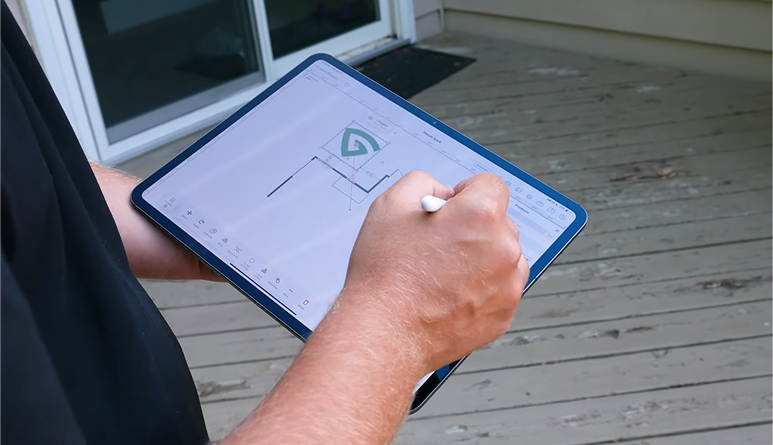
Lason uses it himself, often. Before ArcSite, there was a gap between a field measurement and a usable drawing: hand-drawn notes, bad handwriting, a second pass in AutoCAD or Revit to turn scribbles into a scaled floor plan. Now he draws the room in ArcSite, snapping wall measurements with a laser as he walks the space, and exports a scaled DWG file that drops into AutoCAD or Revit. On one casita project, he started from an aerial map of the property, drew the building outline on top of it, imported that into Revit, and had the entire structure modeled in fifteen minutes.
The time savings compound on larger jobs. ArcSite on a full interior renovation, where every wall and fixture needs measuring, can save hours. The drawing is done by the time Lason leaves the site, ready to import into your 3D CAD tool of choice.
Lason has run his own firm for a year, led a professional association through a rebrand, and referred work across a national network of engineers. Three lessons surface from doing all three at once:

1. Learn to Say No
Lason said yes to everything in his first months running Higher Ground. He needed to pay the bills. Over time, he learned to quote a client straight instead: yes, I can do that, but it'll take two weeks, a month, two months, depending on the schedule. Solo practitioners take on emergency work that wasn't on the calendar, and the planned project gets pushed. Lason started outsourcing what he can (bookkeeping, proposal drafting) so client work doesn't get crowded out by the parts of the business that aren't engineering. His rule now: don't chase projects. Do the ones you take on well, and the referrals follow.
2. Build the Network Before You Need It
Lason isn't a structural engineer. When a garage design needed lateral load calculations he couldn't run himself, he sent it to a structural engineer inside ABID to finish and check. When a client in Chicago needed drawings he couldn't produce from Phoenix, he handed the project to ABID's Chicago office. When someone in Georgia needed a structural inspection, he had a name to give them.
None of that works if the relationships start the day you need them. Lason talks to fellow ABID members several times a week, comparing notes on projects neither one is stuck on yet. The organization's unofficial motto captures the idea: if I can't help you, I know someone who can. It's also how a one-person firm competes for work a bigger firm would win alone.

3. Use New Tech as a First Pass, Not a Final Answer
Lason's members use AI tools to draft first versions of drawing notes, then read every line before anything goes to a client. He does the same: feed the tool what he wants, review the output, adjust what needs changing. What he hasn't seen, and hopes he never does, is someone sending AI output straight to a client without checking it first. A drawing that determines whether a wall holds needs a second set of eyes. The tool is only as good as what goes into it, same as any other piece of software. It speeds up drafting. Checking the result stays a human job.
Lason doesn't measure any of this by revenue. Ask what success looks like, and he skips the business metrics: solving a client's problem, helping them finish their own job. A year into running his own firm, mid-rebrand of a national association, that's still the only scorecard he's using.
Curious how ArcSite fits into your own field-to-drawing workflow? Book a demo to see it.