[00:00]
I say, well, you need to do a market segmentation first. You know, who are the people you need to be selling to? What neighborhoods or subdivisions are in your market that you want to sell in? And there's always the wrong side of town that you're probably never going to sell anything in. So why are you even going over there? So market segmentation is going to look at the demographics within the area. It's going to look at the neighborhoods, the subdivisions and what is going on. And I ask this question all the time, you know, who is your perfect customer. And it's not somebody that's willing to pay me.
[00:39]
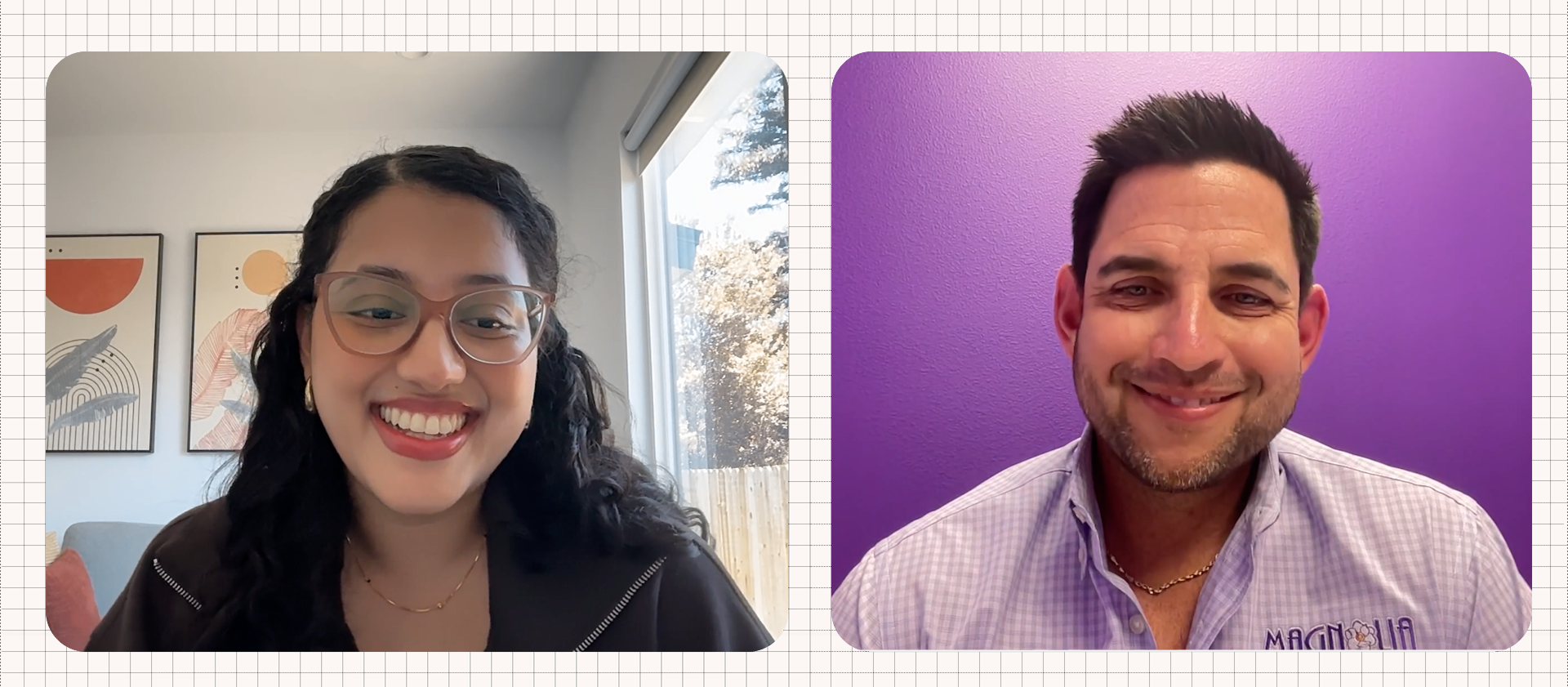
All right. Well, Tony, thank you so much for joining me today. We'll start off nice and easy. Can you just introduce yourself with your name and what you do? Well, Sanica thank you for having me. Tony Thornton, owner of Thornton Fence Consulting Group, been in the fencing industry for a little over 50 plus years. It's been a career out of love more than anything else. But I love just, you know, servant leadership and trying to help our industry and other professionals, you know, finding efficiency and profitability in their operations. Amazing. So as long as I've been at ArcSite, I've heard your name thrown about with so much respect. You're basically a legend in the fence space. But walk me back. How did you get into the industry? Like what was your first steps into this world? Well, so whoever I'm paying over there is doing a good job. I'm going to have to raise the rate, raise it by 20. Sanica, I started when I was 15 years of age. I grew up in the state of Mississippi, had a phenomenal mentor and a coach by the name of Mr. Jerry Jeffcoat. I worked for him every summer during junior high, high school and even college. And in my early 20s, he pushed me into an operations manager's position. And, I mean, I just fell in love with the industry. A lot of our industry professionals have heard the story. I was actually cutting my grass. One Saturday, Mr. Jeffcoat lived two houses down from where my parents and I lived.
[02:09]
And we were friends. We knew each other. Our families knew each other. But Mr. Jeffcoat pulled up and he says, hey, I've talked to your dad. Get in the truck. We're fixing to go build a fence today. And I tell the story. Little did I know that that day started a career for me because I just fell in love with the fencing industry. And. And again, I had a great mentor, a great coach out of Mr. Jerry Jeffcoat and worked for him for 29 plus years and then got into my own businesses. And, you know, it just transitioned from there to a lot of different things, you know, manufacturing, distribution, you know, sales rep. It's just it's I've covered the whole gamut, I guess you could say. Amazing. So today, I know you do some consulting work, you’ve run your own businesses before. You've done a whole lot of things. So kind of take me from that point. How did you kind of get to being that kind of fence legend that you are today? Well, I don't use the name legend. I just say I'm just Tony. But I'll tell you, and I say this quite often. In 2014, I became the American Fence Association executive director, and prior to me becoming the executive director, I had worked with the association as a volunteer for ten plus years. So, you know, the organization was growing. The leadership had made a decision to do something different than have a management group out of another state helping us. And they looked at me
[03:40]
and said, hey, Tony, you know, the the, you know, the bylaws, you know, the protocols, you know, the things that we've got going on. Why don't you, you know, become the executive director? And at first I just threw my hands up and says, no, no, no, no, I don't want that job. I got a great job, but I, I tell the story. The good Lord had a different plan, and he put me on the path. And I became the executive director of AFA in 2014 and, and worked with with AFA until 2022. So that was eight years as executive director. And during that tenure, you know, standing on the stage in front of, you know, several thousand people at Fence Tech, getting to know the fence contractors throughout the country. You know, I guess you could say that I've built a little bit of a reputation, you know, it'd be trustworthy and and hopefully credible and have some integrity. So when I launched Thornton Fence Consulting Group, thinking it was just going to be some type of semi-retirement, possibly every now and then I would be able to share and help. It exploded. It just grew exponentially. And we've been very blessed over the last four plus years to, you know, probably put several thousand people through our training events. We've got pushing close to 80 clients now that we've been able to help and, and, you know, change their business practices and help them, you know, move the needle, I like to say, in the right direction. So it truly has been a blessing. But but I give that thanks to
[05:10]
the American Fence Association for that tenure of time, because I would have just been a fence guy from Mississippi, you know, otherwise. So that's kind of how it happened. I love it. So obviously you've been in the business 50 plus years, which is an amazing tenure. Can you talk to me a little bit about how you’ve seen the industry change over the course of your career? Yeah, I tell you, the biggest movement that I've seen is, support from others in my early career. It was always, you know, I know more than you or I don't want to share anything with you. I've got the special sauce. Nobody else has it. And the only sauce that all the fence companies had back then and still have today is they're running into the same problems. So the big movement for me over the last 10 to 15 years has been watching our industry be more supportive to helping others from a mentorship and a coaching slash supportive role, helping others really improve their operations and being willing to share that. Right. The second piece is we've had so much new technology and fencing techniques that have been introduced because we've got a lot of really smart, proactive people thinking about how can we make our job easier. And our fencing industry is hard. So anytime that we've got a tool or a process or a technique and our willingness to share that information
[06:40]
with others, it's really just changing the whole landscape of our fencing industry, and it's really improving our professionalism throughout every aspect of it, in my opinion. Absolutely. And one of the things that is really interesting in terms of the fencing customers that I've talked to, is just like the volatility and uncertainty that is involved in running your own business, right? Like you might have, like you said, come up under somebody that mentored you worked for their business and then struck out on your own. And then it's not just the technical part but it's also the other business side of it. How do you margin how do you make sure your operations are tight, so that you can be profitable. What's the advice that you give to folks when they're just starting out their own fence operations? You know, I tell people this all the time, find a good mentor. You know, if you're just starting out, you're not ready for a consult. You just need somebody that has been positioned where you are at a startup and or a year or two in find somebody that's been there with some growth or some scale and ask all the questions that you feel like you need to. Now, of course, you know myself, and there are several others in our industry that are willing to help you move that needle and even connect you with the right people. But I think, you know, from an early career, entrepreneurial, spirit type person, just learn as much as you can, but learn the right information we have through social media and, you know, all the technologies
[08:10]
that we have available to us these days. A lot of stuff that just takes, takes people down the wrong path. And I and I tell people all the time and all the training events that we do throughout the country, do your due diligence, find out who those individuals are. Find out if they are really in it to help you to be a servant leader to you and or they just in it for the dollar. And most of the time when the research is done, you start finding out the reasoning behind, you know, some of these things that's going on in our industry and not all of them are always positive and good. So I just tell, you know, especially the young generation that's starting up, you know, do your due diligence, talk to people that have been there, done it, find somebody that can mentor or coach you and provide you some direction moving forward. And we connect people all the time. I mean, it's just like, okay, let me let me connect you with old Joe's Fence Company over here. And you guys have a conversation that don't cost you anything. You know, it's just like, I want to make sure you're connected with the right person. That can give you the proper advice and hopefully keep you from having and making some of the mistakes that I did in my early career that they did in their early career. And if we do that, we exponentially grow our industry, you know, just big time. Exactly. It's all about that learning from one another, right? Like, either you can learn from your own mistakes and have a harder path, or you can learn from mistakes of others and a little bit of an easier time of it.
[09:41]
Firm believer in that. Absolutely, absolutely. The best is very fast, right? You can work on stuff, you can work on essential stuff. There's so many niches within all of those different big verticals that you can go into. As you're looking at the landscape today, is there one area of the industry that you are seeing massive growth in? And on the flip side of that, some area that you're seeing decline in? Well, due to our I mean, here we are in, you know, what is it? January, March, April of 2026. We've seen a huge decline in residential just because the economy is at a little bit of a challenge right now. However, in most areas, I won't say this is across the board, but in most areas we're seeing a huge increase in our commercial work. So municipalities, government funding, city and municipality funding, it's available. We're building parks, we're building ball fields, we're building infrastructure around the hospital. You know, these these new media and storage facilities for all the data, I'm always asking, where was all this data before we had to start storing it? But that's a big, huge growing, you know, area in our in our fencing space right now, one of the fastest pace, what I call disciplines in our fencing industry has been the agricultural industry, the ag fencing or what we call farm and ranch industry, the technology
[11:12]
and the techniques and the willingness to train has really ramped up over the last 5 to 6 years, and we're seeing huge growth in a lot of what I call rural areas with that type fencing, where where business owners used to just kind of run it by the seat of their pants, but they're really deep diving into how to be more efficient, how to be more profitable, understand what gross profit margins are and how we can help them, you know, do a better job. So it depends on what part of the country you're in as to whether you're seeing an ebb or a flow with residential or commercial. We preach at Thornton Fence Consulting Group, that, you know, you need to be diversified to have a little bit of both, but those that are really focusing on commercial are doing extremely well right now, and those that are in large municipalities and slow down of home market builds right now are a little bit challenged, but they still got plenty of work if they manage correctly. Exactly. All about just being smart with the cards that you've been dealt. Right? Exactly right. You can't control these macroeconomic factors. You can’t control what’s happening. But you can control where you shift your business and where you point your ship. And I'll say this Sanica, the the the companies that are doing well are those companies that, study the market, talk to others, have what I'd call a mastermind group or some, some sharing of information that says, hey, this is what's going on in Boise, Idaho. Well, this is what's going in Tallahassee, Florida.
[12:43]
And we see some similarities and how we can overcome that. Right? So, I think that those business owners that rather than running it by the seat of their pants and just hope that they're going to have some sales, those that are really focusing on marketing strategy, all the things that goes into what makes, you know, a successful fence company. Those are the guys that are seeing this success in our fencing space. Absolutely. Would you say there is a discipline or area of the market that is underserved right now, and you’d suggest people look a little bit more into? Wow, that's a tough question. Um. Every market has a little bit of a different what I call personality here in the Dallas-Fort Worth market where I live, you know, the residential market and the housing market is all pristine type, you know, fencing, wood fencing. But yet we go up into the northeast or we go into some other areas. Maybe it's a vinyl product. You know, we're seeing a huge increase over the last 5 to 6 years in what we call vinyl coated fencing black, especially being, you know, a standard in a lot of markets where it used to be galvanized type fencing. So I think it's regionally and I think it's large municipalities kind of set the pace on that. We've had a number of clients that we've worked with say, look, I want to start selling
[14:13]
aluminum fencing in a market that is primarily steel type fencing. Well, we got to do our research. We got to do our marketing strategies. We got to put a process behind how are we going to introduce this aluminum product. That is a good product that meets the same standards that your steel product does. And I'm talking about ornamental type fencing. And then and then go to market with that. And we have seen some companies actually change the trend in some markets because we put enough marketing and effort and strategy focus behind it. So I think it's different all over the country. Definitely. It's so regional too. Like each market is very unique to the climate that it serves. And the taste of the consumer that lives in that market. Absolutely. It’s very important to just to know where you're at and know your consumer really well so that you can position yourself well to serve the customers. I agree, we recommend to every client or anybody just picked up the phone and called Tony, what do I, how do I, start with marketing? I say, well, you need to do a market segmentation first. You know, who are the people you need to be selling to? What neighborhoods or subdivisions are in your market that you want to sell in? And there's always the wrong side of town that you're probably never going to sell anything in. So why are you even going over there? So market segmentation is going to look at the demographics within the area. It's going to look at the neighborhoods, the subdivisions and what is going on. And I ask this question all the time, you know, who is your perfect customer. And it's not somebody that's willing to pay me.
[15:44]
Who is your perfect customer, and how are you going to market to that perfect customer in order to grow your company and stay focused on, you know, the strategy that you have that you're going to put into your into your marketing piece? Exactly. I want to shift gears a little bit and talk about labor shortages and workforce issues. This is something we hear a lot about in the news we have done for the last like 5 to 10 years. How are these issues showing up today in 2026 for the fence pros that you consult with? Or consult for. Yeah, I hear it all the time. I can't hire, I can't find good people. And I tell everybody, why don't we look in the mirror first, okay. Are you somebody that somebody wants to work for? I'm not stepping on anybody's toes. I just I'm this just that blunt with my with my direction. Okay? Okay. Are you somebody that has built a strong culture within your company, and people actually want to come to work for you? Or do you have turnover every six months to a year because, you know, you promise something that never comes through and or you just don't have a culture that people want to be around, meaning, you know, other team members, do you have team members that are running a good potential. You know, you know, employees or team members off. So I look at it from that perspective. And even though these individuals say, you know, we have a labor shortage, there's plenty of people out there that wants to work. But we also have to ask the question, have you gone out and found them? And I talk about your network all the time.
[17:14]
So let's just talk about Joe. Joe has a network of people that he drinks coffee with that he goes to church with. He may be in a bowling league with, you know, maybe it's a gun club, maybe it's his hunting club. I mean, he's got a network of people, and then his wife has a network of people, and then you have a network of people, especially if your children is involved with any type of sporting event, whether it be lacrosse, soccer, football, baseball, you name it. Okay, does every one of those circles or those networks of people that you have are connected with that they know you own a fence company? Do they know that you're looking for an operations manager because there's somebody else that's unhappy. And I'd be willing to bet that most of them don't even know what you do other than you wearing your your branded T-Shirt or your shirt to a softball game or to a baseball game or to, you know, whatever you're doing and you really never talk to them about, hey, let me tell you about my my company. Let me tell you what I'm looking for. Do you know anybody? And I can tell you that the clients that we've preached that to that we've taught that pathway to. It's an easy find. We hire within the within 7 to 14 days. We're finding somebody because we connected with the right network of people. And typically that network of people shares the same moral, ethical and focus that you want to be within your company, which is the culture that you need to develop. So I just I mean, you know,
[18:46]
I hear it all the time, but at the end of the day, there's not a problem hiring team members. There's, there's a, there's a problem with sometimes just you're not willing to go out there and find them. Very well said. And the part that you said about sharing the same values and morals and ethics is really important, right? Because if you are a random person off the internet or you met randomly, you may not have the same, you know, moral, ethical, values. Yours might be a little bit different, right? And we're not passing judgement, it's just is different strokes for different folks. And when you're running a business, everybody in your organization needs to share your values. Otherwise there’s going to be friction. And you're going to have a really hard time. with it. No, I was going to say you hit the nail on the head. And I've even put that in the I'm sure you know, that. I wrote the seven strategies for the fence professional, you know, a couple of years ago and just recently launched an eighth strategy for just general contracting. But one of those is about building a culture. And the success that fence companies have out there is finding the right people that fit my mold. Right. And you can find that alignment by doing your due diligence through behind the scenes research. And as bad as it sounds, I'm going to go to Facebook first. I'm going to see, you know, what social media content that this individual is putting out there. And I'm going to ask myself, okay, is this somebody that I want to be wearing my brand that I want out there working for me, whether it be a fence installer,
[20:16]
a sales representative, whatever it is. Okay? Do I need that type of baggage and or positive influence that I'm looking for to be part of my company? And as bad as I hate to say it, social media will tell a lot about a person. Exactly. And they say everything is internet lives forever, and I think that's even more important for generations. This is true. From the moment you were 12 or 13 and signed up for your Facebook account that's out there now on the internet forever. I'm serious. Yeah, you're so right. You're so right. What it is, is what it is. Once you hit that post button, I mean, it's there, right? Exactly. And if you delete it? It's still somewhere. Some archival thing. Somebody saved it or snapped it. That's right. On this topic, what are the three best things that the best pros that are doing hiring and retention as well. What are their top three strategies? I think the first strategy is finding the right person based on what we've talked about. Okay. Do they align with your your philosophy of running a company? The second thing that I think that our industry does is that we don't pay team members to the level that we are expecting delivery of goods or delivery of services. Okay, so the successful companies are finding the right people. We're hiring the right people. We're paying them well. But the missing piece is how do we on board that individual?
[21:46]
Meaning that, okay, if I'm hiring a sales representative, have we provided a job title, a job description and KPIs to that sales representatives position? And have we onboarding them and training them in the proper techniques and processes and workflows and even checklists that your company does on a consistent basis? A lot of our fence professionals will hire, oh, this guy's got sales experience. Go sell fence. This guy don't know a board from a post. So how do we how do we overcome that? We as an industry, we as a business owner have got to hire the right people, pay them well and onboard and train them. And I use this in a lot of training. How can I hold somebody accountable without setting an expectation? But how can I hold somebody to an expectation without the proper training? So I like to back into that. Okay, here's a work order, Mr. Install Guy. Go do it. He doesn't know it. He doesn't know. You gotta you gotta start with the training. Right? People training. Then you can set an expectation. Then you can hold them accountable because you're giving them the tools for success, not for failure. And I think that that's one of our biggest challenges with most fence companies is we hire because we're in a hurry. We hire because we need a warm body. We throw them out there, and then they're going in a year because they're so frustrated, because we never got the proper training. And no matter what category of an operation that you have,
[23:17]
I see that all over the country. Exactly, exactly. And the important thing with training too is like something that might be obvious to me, might be completely new information to you and vice versa, right? You should never assume that everybody just knows the things that you think they know. Because they come from a different background. They have a different life than you. So you might have had experiences that taught you certain things that are obvious in your eyes, but are completely brand new information for this person. So that's really important with training to be able to take away those obvious assumptions and make sure that everybody's actually on the same page. I agree with you. You know, and I basically say this quite often, that it takes more to train people than it does to retain people. So once you hire the right person, you give them the proper training and set expectations and take care of that individual. Have weekly meetings with those individuals understanding what their challenges are. We tell all of our clients, look, you know, you need to have a meeting every week and you need to ask your team what was your biggest challenge yesterday. And if they mention a challenge, then we say, okay, what did we do to overcome that yesterday? To take care of that job, that challenge or whatever it was? But then how do we how do we improve and how do we keep that challenge from popping up again? So how do we remove that from a future problem? And after about 2 or 3 weeks of having the same consistent challenges and our team starts solving the problems, we start moving the needle to be more efficient
[24:48]
and efficiency equals profitability all day long. Right? So it goes along with everything that you and I have been talking about, from hiring the right person, you know, knowing what they know and what they don't know. More importantly, how can we train them to get them up to speed as quickly as possible? And then once we get them trained, how do we retain them and keep them a team member a long term, because it cost us a ton of money to train and train and train and train again, because we just got a turnover turmoil as all I call it, you know, and we don't need that at our operations. Exactly. I want to shift gears now a little bit now and talk about material costs, because this is something that in the last couple of years has been a big issue for fence pros, being able to price out their jobs, sell a job, and then buy materials at the price that they thought they were going to, because you might have sold a job at a certain place, and then the cost of aluminum goes up, wood goes up, lumber goes up, gas prices go up. So what's your advice to pros dealing with this right now? And how do they maintain their margins when the market is super volatile? Well, the first thing that contractors need to understand, it's not just happening to them, it's happening to us. So if aluminum prices skyrocket and it goes up 5 to 6%. Well guess what. You're buying the product at 5 to 6% higher than you did a month ago. And everybody else in your market is doing the same thing. So we monitor very closely through our clients what's going on in the the market is very volatile
[26:18]
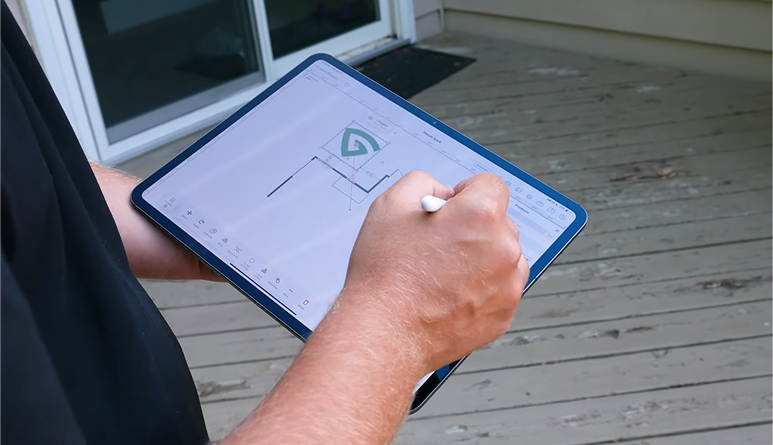
right now here in April of 26, we continue seeing aluminum prices go up. We continue seeing black vinyl framework go up. You know, even some of the wood products are coming down a little bit. But if you don't monitor it and have a good strong relationship with your suppliers and understand what's going on and those suppliers keeping you ahead of the movement or the up or down the ebbs and flows of the pricing, you know, it's very difficult for you to maintain good profitability. Now we're talking about ArcSite. You know, I'm here today for ArcSite and telling you that, you know, if Tony Thornton ran a fence company today, my my drawing and estimating to would be ArcSite. And the reason being is it's a simple process to use. And if I have a, a material cost that goes up on aluminum or wood, I can go into those SKUs and I can immediately change that by 3 to 5%. You know, just that quick, in order to maintain my my enhancement, my profitability, and knowing that I'm hitting the gross profit margins that I need to. And, you know, there's other technologies that are on the market. And I tell everybody and, you know, you got to find the one that fits for you. But at the end of the day, we've got to make sure that it's easily, you know, price change updates. Easy for you to set your gross profit margins and easy for you to get from it. What you need in a very expeditious
[27:48]
and effective manner. And I think all of those pieces of the puzzle goes along with whatever the ebbs and flows are of pricing. We need a system that works for us in order for us to enhance the capability to take to the to the to the customer, you know, their pricing and doing it in effective manner. Exactly. It's it's about the way that technology can make your life easier, not harder. And that's really important when selecting a tool or a software. And of course, we hope you choose ArcSite. But hey we're not we're not here to do that today. I mean I share some of my favorites, you know, with with my clients. But I also tell my clients that they've got to find a software that fits them. Right? I mean, you know, I mean, I use this explanation all the time when we're talking about technology. Okay. And we do trainings all over the country when we get to technology, what's your tech stack, you know, and how are you going to put these pieces together and all their integrations for this to work together and those type of things. But the first thing I say is you've got to find what fits your company and you can train your company on, okay, so I'm, I drive a Ford, okay. People say, well, Tony, you should drive a Dodge. Well, I don't drive a Dodge. Drive a Ford. I like Fords.. Okay. So now you got to go find your Ford of the software technology for fencing. You know, specialists out there that fits you because it's not a one stop shop fits all for our industry. And I think you'll agree with me there. You know, sometimes it's just it's just not a good fit. So I just preach and really try
[29:20]
to tell folks to look, do your due diligence. But when it comes to drawing and quick estimating, I call it front door. You know, quoting. I feel like ArcSite’s got the upper hand on it. I'm just being that brutally honest. Well, we like to hear that, but I completely agree. Right. Like what’s, We like to hear that we're a fit for our customers. But of course there's folks out there that need a different tool. They have different requirements, you know, and you don't want to be putting a square peg or round hole, right? You really need to find what works for you. And on the note of technology, in the the era of AI, I think there is still quite a big subsection of the fence industry that operates on pen and paper or spreadsheets. And there's a bit of hesitance in taking up any of these sort of like new softwares. Forget about AI, right? They just don't even want to get on to like a digital tool. What do you think is that hesitation, or what’s behind it? I think they're scared of technology. I think that they don't fully understand that in order to push that key button on your on your laptop and make it work for you, it takes hours of preparation. You know what I call the front end build out? You know, there's hundreds of hours of time that goes into building your SKUs, building your pricing, building your bundles, building your kits, your whatever, okay, terminology you want to use. And I just don't think that a lot of people have probably tried it, paid a couple of months on a subscription
[30:51]
and then say, well, this thing didn't work for me. And the reality is I go back to saying, why don't you look in the mirror? Because you didn't give it a chance, because you didn't do your upfront, you know, pre-loaded and prebuilt outs. Now, I think there's still a lot of what I call old school fence guys out there. I'm one of those guys, but I accept the technology many years ago. And, you know, if I hadn't learned, you know, the technology that I used with all the aspects of the industry, you know, things that I've done, I would have been left behind. So those that are still doing it on pen and paper, good for you. Okay. But at the same time, others are going to surpass you and probably beat you to the job in efficiency and quote. Quick quote turnaround quote. Turn around. I call it speed of quote. And what we're seeing with this younger generation is that when you show up to mark that fence off or look at that fence, if you can quote that job on the doorstep, okay, you got a better chance. And especially if they don't close that day, a phone call the next day, typically the follow up will do it because you outperformed all the other fence companies because they had to hustle back to the office to to do a take off, or they have to use a spreadsheet, or they have to do something that's not technology worthy, so to speak, and it causes a delay. And we're living in a society today that just does not like delay. I'm an old school guy. I like to drive slow.
[32:22]
I like to get there when I get there. But I know that this technology is speed. And when speed can help me be a better contractor, then I'm going to do that. So I think that the hesitation is I don't want to learn something new. And this the older generation not picking on anybody. I'm I'm one of the old guys. Okay. And and the other piece is that, you know, they don't want to take the time to get on the front end of it. They they just expect it to work and it's not going to do that. I think those are two the two biggest hesitations for our fencing contractors. Definitely. Learning something that is hard, right? But once you bite the bullet and you figure it out, you kind of end up thinking like, that wasn't as hard as I thought. I had built it up in my head. This is true. And it's usually easier once you figure. It out. Well, you talk about you talk about the time. You talk about the time on the front end. Okay. That time will be minimized on the back end once you get that system working for you. It's a it's a it's a swap off. It's a change. Right. So an exchange. So I think that if people will invest on the front end, they're going to get the payout on the back end. Exactly. The time invested up front is going to pay you off probably ten fold on the back end. Yeah, absolutely. I want to talk about AI in the fence industry a little bit. How are you seeing pros leverage it. And who do you think is doing it well. And then who do you think is doing it not so well. Well, I've jumped on the AI wagon. You may not be aware of this, but
[33:55]
I'm part of FenceGPT, which has been launched in our industry and the credibility of what we're bringing to the table is more than what I call ChatGPT worthy. Meaning that everything in that FenceGPT you know, we're building out the bots, we're building out the automations, we're building out the estimating, we're building out credible and content that's on the back side there to where it's not. Go to ChatGPT and ask a backyard guy how to build a fence. It's the standards, it's the information. But over and above that, just taking away from stepping away from the fence GPT piece, I think that fence owners should be investing in some level of AI in some shape. Fashion or form. I will tell you that when I wrote the book a seven strategies book several years ago, AI was not as prominent as it is just two years later, and I have very close friends that have tapped into AI and really used it to put their automations together. Do voiceover phone answer set appointments. It is a powerful tool. It's also a scary tool, especially for me. You know, I don't know how all this stuff works, right? So there's hesitation. Much like technology on the software side, there's hesitation in what do I do with this and how do I go about it. So that's where you need to invest in somebody that knows what they're doing. It's not me on the AI piece. And I really deep dive
[35:26]
into what it can do for you because it can enhance your operation tremendously. And I think that we're seeing more and more. I keep up with a lot of trades, Sanica. It's not just the fencing industry, it's the electrical industry. It's the landscaping industry. It's the plumbing industry. I like to see what's going on in all of those areas, and I can tell you that every trade industry is moving to some level of AI preparedness, which is helping. And those it's going to be on the front end is going to have an advantage to outperform those that that that lag behind, in my opinion. Exactly. Those that kind of figure out where AI should be used in their process and also, more importantly, where it should not. Right. Because I think customers also have an aversion to be able to pick up a phone. And if you hear an AI bot type thing answering your call when all you really want to do is talk to a real person. We've all been in that like frustrated seat, when you're calling one of these big like corporates. Or an airline, or something. Yeah, absolutely. Absolutely. So I think based on based on those experiences, you can kind of pick and choose like, okay, maybe it is helpful for me to put AI into this part of the business. Maybe customer service is something that I keep for myself or keep for my team, because that's really important to build trust with my customers, right. Yes. It's going to be different for everyone, but we need to be really intentional. with where you’re putting it in your process. I couldn't agree more. I want to shift gears a little bit now to sort of looking being a little bit more future looking. What do you think the next generation of fence pros looks like? What are
[36:56]
some of the things that they're going to be changing about the industry, and what are some of the things that you hope they bring along from the older guys in the industry? You know, that's that's something that I look at and study and think a lot about. And in any, any trade, we're still going to have to have a person, a body, you know, we've got to dig a hole, we've got to mix cement. We got to drive that post. We got to make a connection. You know, we can't afford robots to do that. Okay. Maybe they can deliver food service at the local Chili's restaurant, but they're never going to be able to build a fence. So, you know, the the manpower side is always going to be part of our fencing space, our fencing industry. And the only thing that we can really improve is the techniques and how to do it more efficient with less, you know, burden on our bodies and how we can get more profitable through the process. Maybe it's through technology, maybe it's through procedures, maybe it's a new product that's introduced that makes our life easier. All of those are what I think is going to move the needle in the future. And we've got a lot of innovative manufacturers out there that are looking at a lot of different things. And we've got a lot of, you know, innovators in the tool space that are coming up with concepts on how do we improve efficiency on installation, which instead of taking three people,
[38:27]
it's only taking two people. In some situations it's only taking one person rather than two people. So I think that all of these is the way that we're really going to grow and see some movement in the future. There will be new technologies, there will be new products, there will be new processes and workflows developed. But but it's still going to be a body, a person, a manpower or woman power that's going to be doing this work right. We're never going to get away from that in any way, shape or fashion in our industry. And all I can say is y'all prove me wrong. I mean, I don't know what else to say about that. You know. Absolutely. There's this little robots that deliver food, right? And they have their little names on them, and you see them rolling down the side of the street and you're like, huh. I saw it at a I said, I used Chili's as an example. I saw it at a Chili's restaurant. My wife and I were at a Chili's restaurant here recently, and all of a sudden this little robotic thing comes, you know, by me. And I'm like, what? What? What is this? And then it turned and looked at my table and had my number on it, and I'm like, okay, are we supposed to take this food or what? I'm like, no, no, no, I'm not ready for that. You know? Yeah. Like okay, okay, okay. Just have me somebody bring my food out here. I don't know. But anyway that. That's that's happening, you know, I mean, you look at your fast food restaurants, they're going to self-serve, you know, robotic type,
[39:58]
you know, menus and those type of things. It's part of what's going on in our industry. And if we don't adapt and adopt, then, you know, we're going to be left behind. So we got to look at all of that. Yeah. It’s a whole new world. Looking at the next like 12 to 24 months, what is like the number one trend that you are going to be following? I think just continuing to monitor the market ebbs and flows. I think it's a little bit volatile right now with what's going on in our economy.
[40:36]
And I and I actually explain this to all of our clients. You need to keep up with what's going on in the market in some way, shape, fashion or form, and we have access to that through, you know, our laptops and through Google and chat and everything else that's out there. But you also need to form you a circle of friends that y'all can talk about what successes and failures you're having, how to overcome. I think the trend moving forward is more collaboration, more partnerships, more sharing of information along with this technology build out, procedural build out and those type of things. And I continue to see our industry growing. And maybe it's more from a security protection standpoint than it is from an aesthetic standpoint. But I you know, it's hard to say in 24 months what's going to be the most important thing out there. I'll just say that we are right now where we are because of trends that's going on several years ago. It's not that big a difference, it's just a different level. So what is it going to look like? Probably the same things that we're dealing with now, just on a different level. And my last question for you is what is the difference between business that's just busy all the time and events business that's truly profitable. Prices are too low. That's a simple answer. If I'm busy all the time
[42:07]
and I've got 12 to 14 weeks of of backlog, then my prices are too low. And my attitude as a consultant to any client that I deal with is less is more. Okay, I want you to make a certain gross profit margin. And if we can't get that certain gross profit margin out of your market, then we need to let everybody else have it. The successful fence companies have a base margin that they're going to set, and they're always going to strive for that. The companies that are busy, and I love to see this on Facebook all the time. You know, we're 12 to 14 weeks out. And I always want to say what's your gross profit margin on that 12 to 14 weeks out? You know, it's always we're 12 to 14 weeks out. We got more work than we can do. And I like to say how much money are you making? Because that's the call I get as a consultant, Tony, I did 5 million in sales last year and I have nothing to prove for it in the bank. I have no money in the bank. What's going on? Well, I ask them what their what their gross profit margin is. And some of them say, man, I don't even know what what a P&L is. I don't even know what my financials look like. So let's start understanding that we can run our company profitable. We can do less to make more. And those companies that are doing less to make more are the successful companies. Success is not being 12 to 14 weeks out. You've just got 12 to 14 weeks of headaches that your the other successful companies don't. And I'm not stepping on any toes. If you're making the proper gross profit margins and you're 12 to 14 weeks out,
[43:38]
you're doing something right. But I can I be willing to bet that there's not many of those out there. Maybe I stepped on a toe there, and I'm sorry, but, you know, that's I'm brutally honest with what I, what I talk about, you know. You tell it like it is. And you're right. And you've got 50 years. of expertise to back it up. So we trust what you say. I appreciate that. Tony, this was awesome. I think I run through everything that I’ve wanted to ask you. Is there anything else that you would like to touch on. No. Not really. You know, again, I'm a huge fan of ArcSite. I think it has this place in every market. I tell people quite often, I actually told it this week on a on a intro call. You know, Tony Thornton ran a fence company today. ArcSite would be my my my drawing and my estimating tool. I definitely would want that to integrate into some level of CRM and to my QuickBooks system. And even on the front end, my MySalesman as far as pre-qualifying. But we have all that capability, right? So I'm a huge fan. I'm excited about where you guys are going and what we can do together. And, you know, we've got a lot of creative things and a lot of new things that we're fixing to launch that we're going to be reaching out to you guys on to see if y'all are interested. So, you know, stand by. It's coming soon, but I think we're going to launch some new, new, new stuff in June. I love it. Yeah, lots of fun collaborations down the pipeline. We'll all stay tuned. Absolutely.
[45:11]
Tony, this is great. Thank you so much for your time, I appreciate it. I appreciate the opportunity.
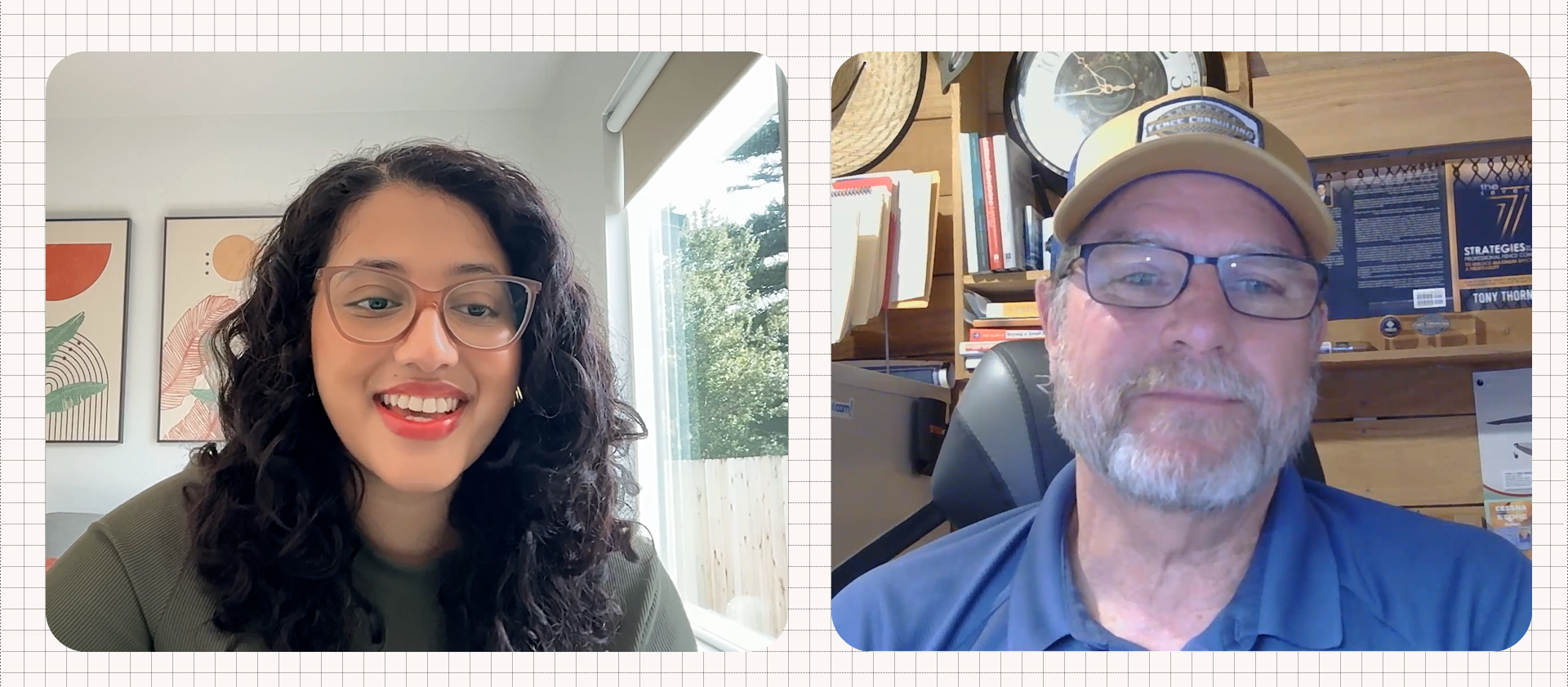
With over 50 years of experience in the industry, Tony Thornton is the founder of Thornton Consulting Group, and former Executive Director of the American Fence Association.
Tony Thornton has spent 50-plus years in the fencing industry — starting at 15 years old in Mississippi, working summers for a neighbor called Jerry Jeffcoat. Those early days grew into a mentorship that lasted decades. From there, Tony launched a career that took him through operations management, manufacturing, distribution, eight years as executive director of the American Fence Association, and now Thornton Fence Consulting Group, where he's helped thousands of fence professionals move the needle on profitability.
He doesn't call himself a legend. "I'm just Tony," he says. But what he's seen across 80-plus clients and years of watching the industry from every angle gives him a clear view of who makes it and who doesn't.
The answer, more often than not, comes down to one thing: confusing busy with successful.
There's a post that shows up on fence industry Facebook groups constantly.
"Tony, I did 5 million in sales last year, and I have nothing to prove for it in the bank." That's the call he gets as a consultant. And when he asks about gross profit margin, sometimes the answer is: I don't even know what a P&L is.
The contractors doing less to make more, he says, are the successful ones. "Success is not being 12 to 14 weeks out. You've just got 12 to 14 weeks of headaches that the other successful companies don't."
It's not about being less busy. It's about being priced right enough that the work you do actually leaves something behind.
Residential is soft. The economy is at a challenge, consumer confidence is shaky, and the home-build slowdown in major markets has left fence contractors feeling it. But the picture isn't uniform.
"Those that are really focusing on commercial are doing extremely well right now." Municipalities, government funding, parks, ball fields, data centers — commercial work is moving. And ag fencing is one of the fastest-growing disciplines in the space, with rural operators who used to run things by the seat of their pants now diving deep into efficiency and margins.
His advice to contractors caught in the residential slowdown isn't to panic. It's to point the ship somewhere else.
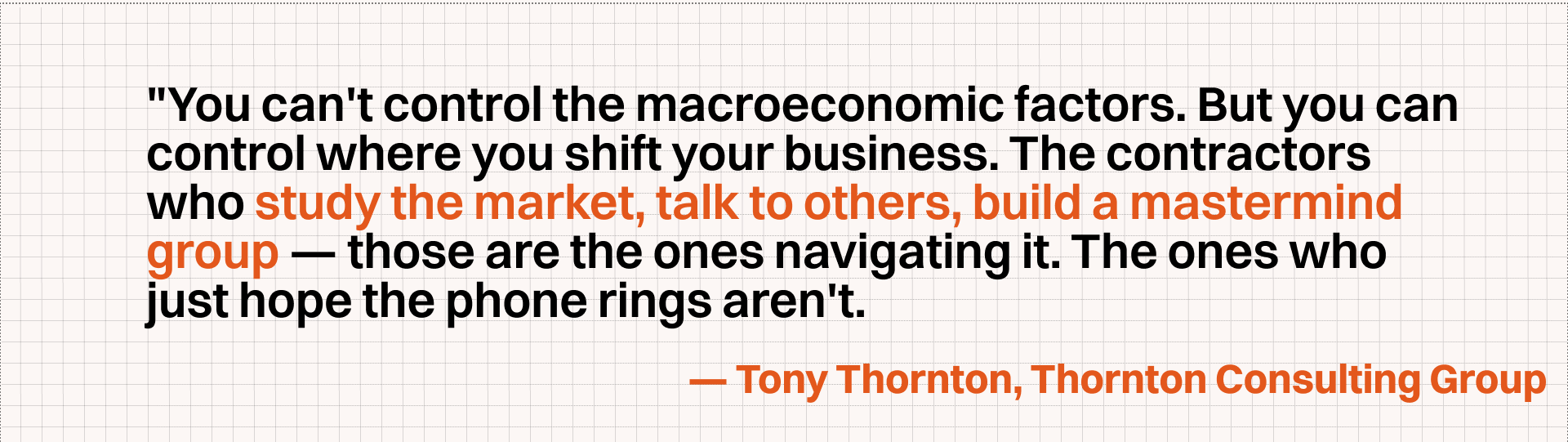
"You can't control the macroeconomic factors. But you can control where you shift your business." The contractors who study the market, talk to others, build a mastermind group — those are the ones navigating it. The ones who just hope the phone rings aren't.
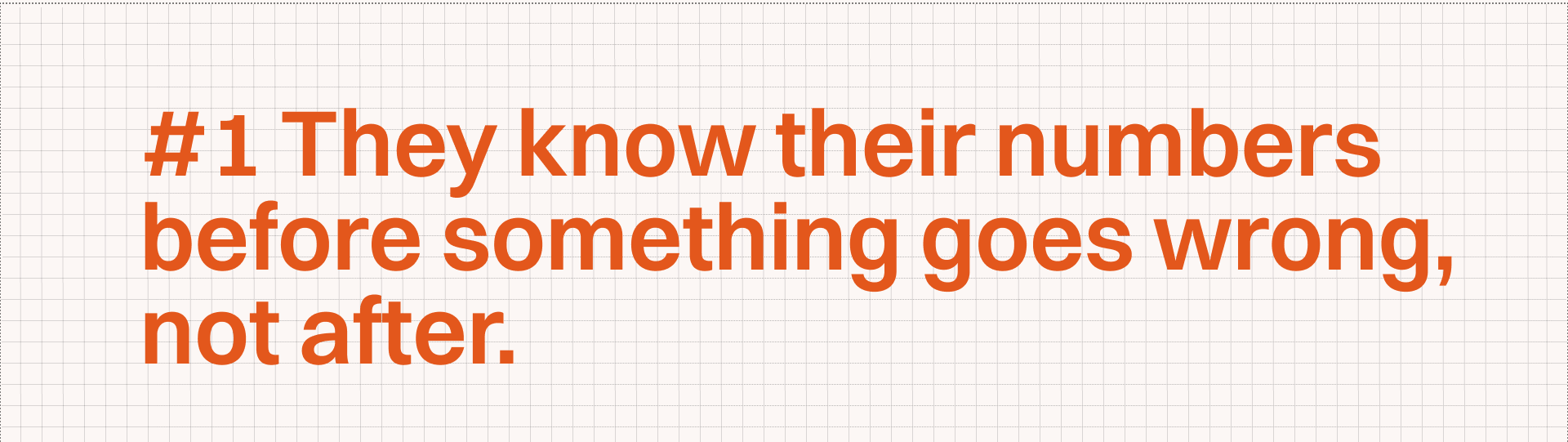
1. They know their numbers before something goes wrong, not after.
The fatal version of running a fence business is looking at your financials once a month — or not at all. By the time the P&L shows a problem, you're already behind it.
The contractors who survive downturns are tracking weekly. They know their gross profit margins by job type, by market, by material. They know when something shifts before it wipes out a quarter of work.
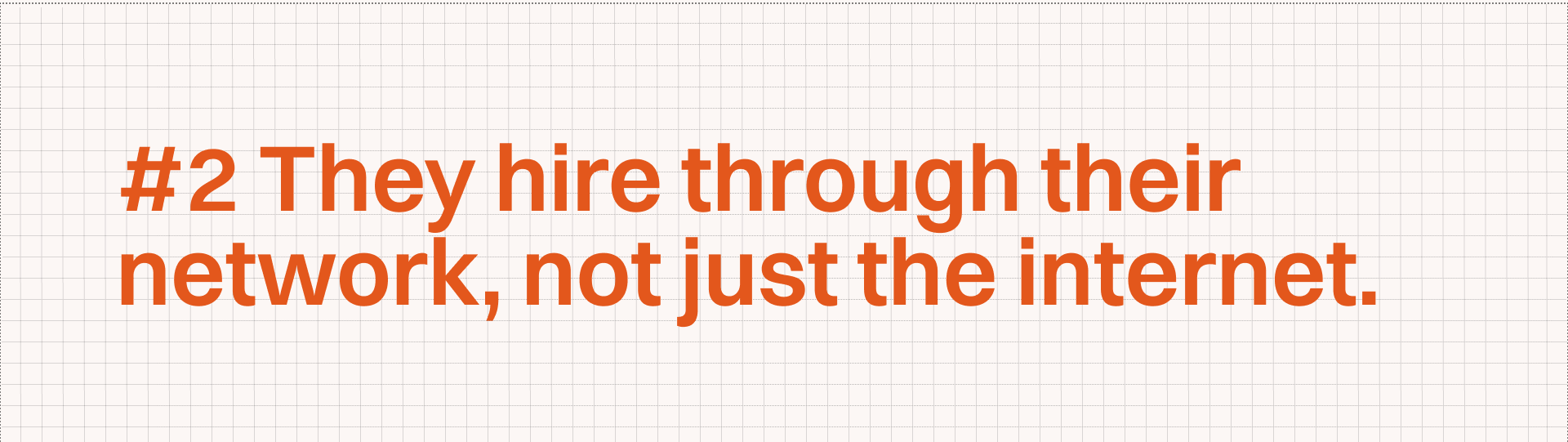
2. They hire through their network, not just the internet.
"I can't find good people" is one of the most common complaints Tony hears. His response is direct: Have you looked in the mirror first?
Are you someone people want to work for? Have you built a culture worth joining? And — more practically — does your network even know you're hiring?
Tony's seen clients fill positions in 7 to 14 days by working their personal network instead of waiting for job boards to deliver. The people in your church, your bowling league, your kids' sports sideline — they might not know what you do, let alone that you're growing. Most fence owners, he says, are wearing their branded shirt to the softball game but never actually having the conversation.
The added benefit of network hiring: those people already share your values. "Typically that network shares the same moral, ethical focus that you want within your company."

3. They price for margin, not just for market.
If you're booked out and still not making money, the math is simple: your prices are too low.
"Less is more" is the philosophy Tony brings to every client. He wants them hitting a specific gross profit margin — and if the market won't support that margin, the answer isn't to lower the target. It's to let the work go and find the right customers instead.
That starts with market segmentation: understanding exactly who your ideal customer is, which neighborhoods to target, and where you're wasting time on calls that will never close. "Who is your perfect customer? And it's not somebody that's willing to pay me."
The best fence companies define that answer and build their marketing strategy around it.
Aluminum up. Vinyl framework up. Material prices moving faster than most contractors can adjust.
Tony's advice: build a relationship with your suppliers and stay ahead of pricing changes, not behind them. Know what's moving before it hits your quotes. And have a system that lets you update pricing fast when it does.
"We continue seeing aluminum prices go up. If you don't monitor it and have a good strong relationship with your suppliers... it's very difficult to maintain good profitability."
The contractors who get hurt are the ones updating their price lists quarterly when the market moves monthly.
One thing isn't going away: the need for skilled hands in the field.
"We've got to dig a hole. We've got to mix cement. We've got to drive that post." Technology, AI, better tools — all of it matters. But fencing will always be a people business on the ground. The opportunity is in making those people more efficient, better trained, and better retained.
On AI, Tony's position is clear: it's real, it's useful, and ignoring it puts you behind. But the implementation has to be intentional. AI answering your phones might save time — or it might cost you the customer who just wanted to talk to a human. "We need to be really intentional with where you're putting it in your process."
The contractors who will lead the next decade are the ones learning from peers now, building systems now, and pricing for where they want to go — not just where they are.
"The successful companies have a base margin they're going to set, and they're always going to strive for that."
The field is thinning. The room it creates goes to whoever built the foundation before they needed it.
Curious how ArcSite can help you run a more profitable fence business? Click here to chat with our team.