

This guide explains how contractors can connect digital proposals directly to their concrete estimating process using concrete foundation estimating software, so every bid is faster, more accurate, and easier for customers to approve.
For many concrete contractors, the most painful part of bidding is not the takeoff itself - it is everything that happens after. Handwritten notes, spreadsheet formulas, and copy-pasted proposals create room for mistakes, delays, and lost jobs.
When your proposal is disconnected from the way you estimate, you end up doing the same work twice. By integrating digital proposals into your estimating workflow with mobile tools like ArcSite, you can move from site visit to signed agreement in a single, connected process.
Why traditional estimating and proposals hold you back
Most concrete foundation bids still follow a familiar pattern:
- Sketch the slab, footings, and walls by hand during the site visit
- Later, measure and calculate volumes, rebar, and labor from notes
- Enter values into spreadsheets or estimating software back at the office
- Manually draft a proposal in Word or email
- Send it to the customer and wait for a signature or change requests
Each handoff is a potential failure point.
Common pain points we hear from concrete contractors
- Rework and data entry: The same job details are drawn, then re-measured, then re-typed into multiple systems.
- Inconsistent pricing: Crews and sales reps use outdated price sheets or custom line items that do not align with your targets.
- Slow turnaround: Bids sit for days while office staff translate field notes into formal proposals.
- Scope creep and disputes: What is promised in the proposal does not always match what was measured on site, leading to callbacks and margin erosion.
- Lack of visibility: Owners cannot easily see pipeline value, hit rates, or which proposal formats actually close.
The stakes are high. When your estimating workflow is manual and your proposals are disconnected, you are more likely to underbid, miss key items like excavation or pumping, or lose the job to a competitor who can deliver a clean, professional quote faster.
How ArcSite connects estimating and digital proposals
ArcSite was built to replace that fragmented process with a single, integrated workflow: draw, measure, estimate, and propose from one mobile app. For concrete foundation work, that means your CAD drawing, material quantities, and customer proposal all stay in sync.
Mobile CAD for accurate foundations in the field
Instead of sketching on paper, your team can use ArcSite on a tablet to:
- Draw slabs, grade beams, and footings to scale using mobile CAD tools
- Capture dimensions directly from the drawing
- Drop in reusable symbols for thickened edges, piers, curb, or blockouts
- Attach photos and notes to specific areas of the plan
Because the drawing is to scale, ArcSite can automatically calculate areas, lengths, and counts, feeding those numbers straight into your estimates.
Built-in takeoff and estimating
From that same drawing, ArcSite converts your geometry into quantities. For example:
- Slab area to cubic yards of concrete, including thickness
- Perimeter and interior beams to linear feet of footings
- Wall lengths and heights for stem walls or retaining walls
- Rebar patterns for tonnage or linear feet
Your predefined assemblies and pricing are applied automatically so every estimate is based on the same structure and margins. No more guessing or hunting through old spreadsheets.
Digital proposals generated on the spot
Once the estimate is built, ArcSite uses that information to instantly generate a professional, branded proposal. That means:
- Scope of work is pulled directly from the items in your estimate
- Pricing stays consistent with your catalog and markups
- Key inclusions/exclusions are standardized, not retyped for each job
- Customers can receive and review the proposal while you are still on site
By integrating proposals with your concrete foundation estimating software, you reduce errors, shorten your sales cycle, and give customers a clearer picture of what they are buying.
Practical workflows for integrating digital proposals
To get real value from digital proposals, they must be built into the way your teams already work. Here are practical workflows that concrete contractors commonly use with ArcSite.
1. Site visit to signed proposal in one visit
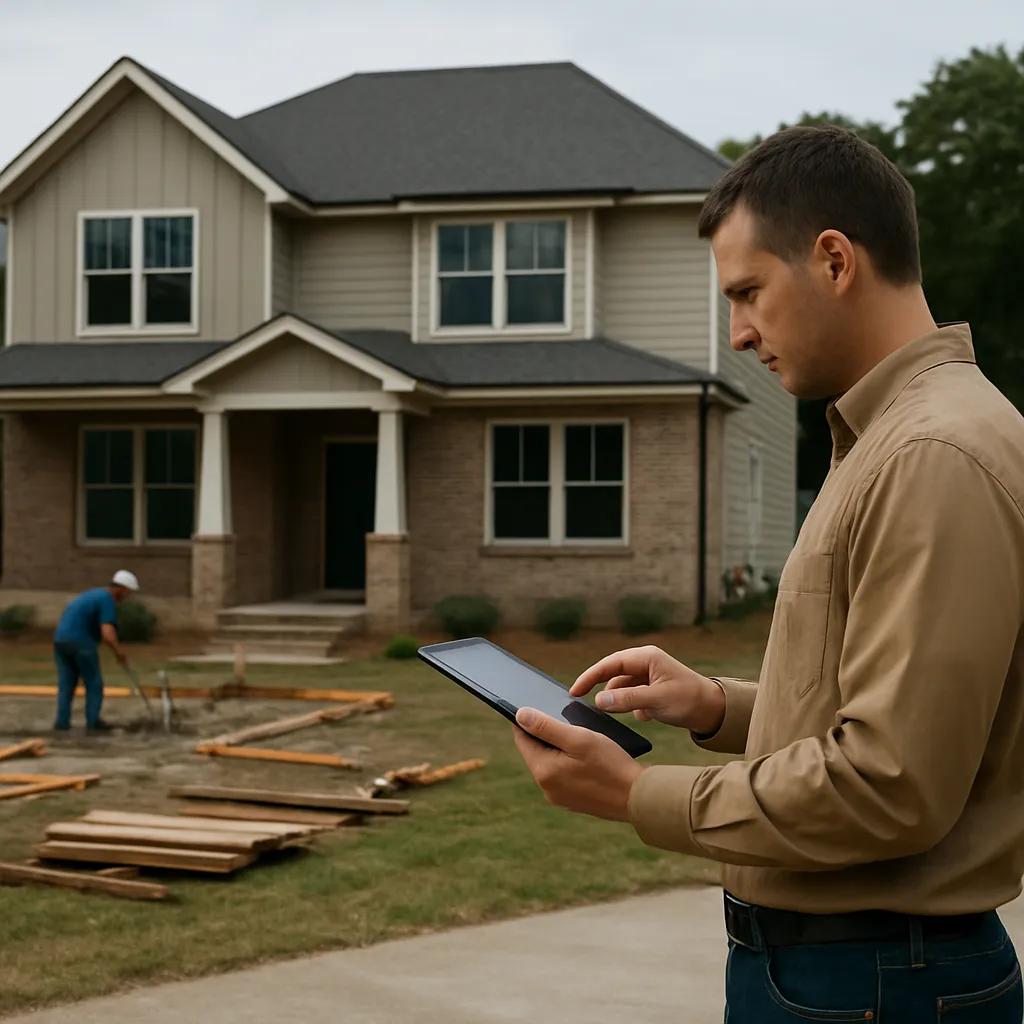
- Walk the site with a tablet: Capture dimensions, obstructions, and elevations while drawing the slab and foundations.
- Build the estimate live: As you complete the drawing, ArcSite calculates concrete volumes, reinforcement, and labor using your prebuilt assemblies.
- Review options with the customer: Quickly add alternates such as thicker slab areas, different finishes, or moisture barriers to show price impacts.
- Generate a proposal: Produce a clean, itemized digital proposal on the spot.
- Capture approval: Have the customer sign digitally or send the proposal via email or text for quick follow-up.
This workflow helps you close more jobs at the kitchen table and reduces the backlog of estimates waiting for office time.
2. Standardizing proposals across the company
If you have multiple estimators or sales reps, consistency is critical. Using ArcSite, you can:
- Create standard line items for common foundation types, finishes, and add-ons
- Lock down pricing rules or default markups so margins stay protected
- Use shared proposal templates with your logo, terms, and payment schedules
- Ensure every proposal clearly reflects what was measured and drawn
Over time, this standardization reduces misunderstandings, keeps your brand uniform, and makes it easier to train new estimators.
3. Managing revisions and change orders
Changes are inevitable on concrete jobs - soil conditions, design tweaks, or scope expansions. When your proposals are digital and connected to your estimating data, managing changes is far easier.
- Update the drawing (for example, a larger footprint or added thickened slab areas)
- Let the quantities and pricing recalculate automatically
- Generate a revised proposal or change order from the updated estimate
- Keep a clear record of what changed, when, and at what price
This clarity protects your margins and helps maintain a professional relationship with GCs and owners.
Implementation: getting your team onboard
Moving from paper and spreadsheets to integrated digital proposals is a change, but it does not have to be disruptive. A structured rollout makes adoption smoother.
Step 1: Define your estimating standards
Before you digitize, clean up your pricing and scope standards:
- List your typical foundation types and slab configurations
- Define standard line items for excavation, base prep, pumping, and finishing
- Agree on default waste factors, production rates, and markups
- Document your standard inclusions and exclusions for every proposal
These become the building blocks of your digital catalogs and templates in ArcSite.
Step 2: Pilot with a small group
Choose one or two estimators or crew leads to pilot the new workflow on selected jobs:
- Start with straightforward slab-on-grade or residential foundations
- Have them complete the full workflow: drawing, takeoff, estimate, proposal
- Collect feedback on what is missing, confusing, or repetitive
- Adjust your assemblies, templates, and wording based on real-world use
A focused pilot helps you refine the process before rolling it out company-wide.
Step 3: Train for field-friendly use
Most resistance comes from field teams who are not used to digital tools. Training should be practical and job-based:
- Run short sessions on drawing basics and measurement tools
- Provide a simple checklist for every estimate (draw, label, calculate, propose)
- Practice on real projects, not theoretical examples
- Show how digital proposals reduce callbacks and confusion for crews later
When crews see that better site documentation and clearer proposals mean fewer surprises on pour day, adoption improves.
Measuring ROI from integrated digital proposals
To justify the shift to integrated proposals and concrete foundation estimating tools, you should measure the impact over time.
Key metrics to track
- Estimate turnaround time: Time from site visit to delivered proposal. Aim to cut this from days to hours or even on-the-spot proposals.
- Close rate: Percentage of estimates that become signed jobs. Cleaner, faster proposals typically improve this number.
- Average job margin: Compare margins before and after standardizing your estimating assemblies and proposal templates.
- Change order capture: Track additional revenue from properly documented scope changes that might have been missed before.
- Rework and dispute frequency: Monitor callbacks or disputes tied to unclear scope or pricing.
Even small improvements across these metrics compound quickly, especially for contractors handling a high volume of residential slabs, driveways, or light commercial foundations.
Qualitative benefits
Not every benefit shows up on a spreadsheet, but they still matter:
- Less stress for owners, who gain better visibility into pipeline and pricing
- Fewer late nights rebuilding proposals at the office
- Improved professionalism and trust with GCs and homeowners
- Smoother handoff from sales to production with clear, visual documentation
These improvements contribute to a more scalable, repeatable concrete business.
Next steps: See integrated proposals in action
Integrating digital proposals into your concrete estimating workflow is one of the most effective ways to speed up bidding, protect margins, and deliver a better experience for your customers. By connecting your drawings, quantities, pricing, and proposals in a single mobile workflow, ArcSite helps you move from rough sketch to signed contract without the usual friction.
If you are ready to see how this could work for your team, we can walk you through a live, concrete-specific workflow and answer implementation questions. Book a demo to explore how ArcSite can streamline the way you estimate, propose, and win concrete foundation projects.
Categories
FAQs
Traditional processes involve manual sketches, measurements, multiple data entries, inconsistent pricing, slow turnaround, scope disputes, and lack of visibility, leading to errors and lost jobs.
ArcSite provides a mobile app that combines drawing, measuring, estimating, and proposal generation in one workflow, keeping CAD drawings, quantities, and proposals synchronized.
Contractors can capture site dimensions on a tablet, build live estimates, review options with customers, generate proposals instantly, and capture digital approvals on the spot.
By creating standard line items, enforcing pricing rules and markups, using shared branded templates, and ensuring proposals reflect the measured work consistently.
Key metrics include estimate turnaround time, close rates, average job margins, change order capture, and frequency of rework or disputes.
Related posts