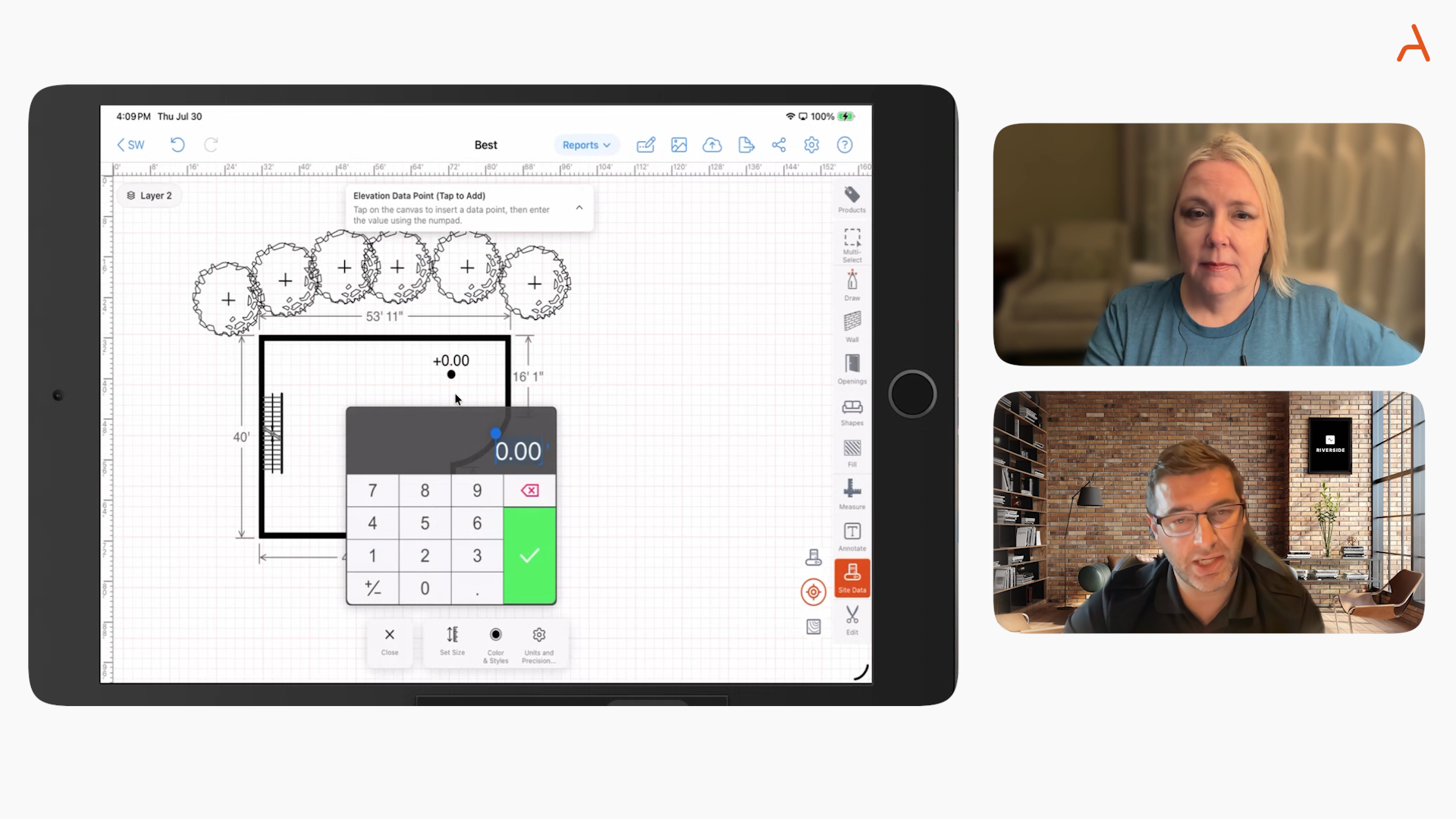


This guide shows specialty contractors how to turn site sketches into scopes, pricing, and a ready-to-sign construction contract template directly in the field, improving accuracy and shortening sales cycles.
If your team still sketches by hand, emails estimates later, and waits days for signatures, you are leaving revenue and trust on the table. The gap between a drawing on site and a signed agreement is where delays, errors, and margin erosion creep in. A repeatable, digital workflow anchored by a reliable construction contract template closes that gap.
At ArcSite, we help specialty contractors capture job conditions, generate takeoffs, and produce professional contracts right on the first visit. Below, we outline a practical end-to-end process your crews can adopt without disrupting the way they already sell and build.
The pain points and stakes for specialty contractors
Small misalignments early in the sales process compound into expensive problems. Common challenges include:
- Hand sketches that are hard to read, easy to lose, and impossible to audit.
- Measurements and counts that change between the walk-through and the office estimate.
- Scope creep because assumptions are not documented in the contract.
- Slow follow-up that gives competitors time to undercut you.
- Inconsistent terms across jobs, exposing you to rework and disputes.
The result is blown timelines, thin margins, and unhappy customers. The fix is not more paperwork - it is a visual, field-friendly process that keeps design, pricing, and terms aligned from the first conversation through signature.
How ArcSite closes the gap: mobile CAD, takeoff, and estimating
ArcSite brings drawing, measurement, takeoff, and estimating together on a mobile device so your team can build a complete, accurate scope before they leave the site.
- Draw to scale on site: Capture floor plans, utilities, obstacles, and proposed work areas with precise dimensions.
- Auto-counts and measurements: Convert symbols and lines into quantities, lengths, and areas tied to your catalog.
- Instant pricing: Apply labor, materials, and assemblies to generate a clear, line-item estimate.
- Professional outputs: Produce a branded proposal with visuals, inclusions, exclusions, and terms from your standard contract language.
- E-sign in the field: Get approvals while the customer’s intent is highest.
What gets captured on site
Teams standardize field inputs so estimates are fast and comparable from job to job:
- Symbols for assemblies and equipment (e.g., devices, fixtures, valves).
- Layers for existing conditions vs. new work.
- Photos pinned to the drawing for context and proof.
- Notes for access constraints, permits, and schedule risks.
Turning sketches into scopes, pricing, and terms
Because quantities are driven by the drawing, the estimate reflects reality, not guesswork. Your contract section then pulls consistent terms - payment schedule, warranty, change order policy, and customer responsibilities - so every proposal is defensible and easy to explain.
Practical visual workflows using your construction contract template
A consistent workflow lets new reps and seasoned estimators produce the same high-quality result. Here is a straightforward pattern:
1) Walk the site and sketch
- Open a project and set scale from a known dimension.
- Trace the layout and add proposed placements using your symbol library.
- Attach photos of hidden conditions or risk areas to the relevant locations.
2) Generate the takeoff and price
- Run auto-counts and measurement summaries.
- Apply assemblies that bundle materials and labor into realistic line items.
- Choose good-better-best options where appropriate to present tiers.
3) Create the scope and terms
- Insert your standard inclusions, exclusions, and assumptions.
- Pull in your construction contract template directly, so every estimate carries the same, approved terms.
- Attach the annotated drawing to remove ambiguity.
4) Present, revise, and sign
- Review visuals with the customer on site to confirm scope.
- Make edits live if conditions change.
- Capture signature and deposit before leaving.
If you need a starting point for terms and structure, review our construction contract template and adapt it to your trade and local requirements. Always have your legal advisor review your final contract language.
Tips to keep contracts clear and enforceable
- Define what is included vs. excluded: List materials, finishes, and any third-party responsibilities.
- Call out site readiness requirements: Access, utilities, permits, and waste removal.
- Clarify change order workflow: Who approves, how pricing is handled, and how it affects schedule.
- Use visual references: Include the drawing and photo callouts as exhibits.
- Standardize payment terms: Deposit, progress milestones, and final payment triggers.
- Document lead times and hold periods: Prevents misunderstandings about material availability and quote validity.
Implementation and change management
Rolling out a new workflow is easiest when you keep changes simple and measurable.
Start with a pilot crew
- Pick one or two experienced reps who close complex work.
- Load their catalog, assemblies, and contract text into ArcSite.
- Set a 4-week pilot and track cycle time from site visit to signature.
Create a field playbook
- Document the 10 to 12 steps from open project to signed contract.
- Include screenshots of symbol libraries, estimate views, and contract sections.
- Provide common objection responses and option strategies.
Train to outcomes, not features
- Role-play site walks and proposal reviews.
- Measure accuracy and speed, not clicks.
- Reinforce why visuals reduce disputes and callbacks.
Lock your templates
- Keep pricing, assemblies, and terms under admin control.
- Let reps customize options and scope language within guardrails.
- Schedule quarterly reviews with operations to keep templates current.
Measuring ROI and success metrics
Track a handful of metrics to prove value and drive adoption:
- Time to quote: Hours from site visit to delivered proposal. Goal: same day.
- First-visit close rate: Percentage of deals signed on the first appointment.
- Gross margin consistency: Variance between estimated and actual cost.
- Change order incidence: Frequency and value of approved changes vs. disputes.
- Rework and callbacks: Rate per 100 jobs before and after rollout.
Contract clarity, tied to visuals and consistent terms, typically lifts close rates while cutting post-award friction. Even small improvements compound: a 10 percent faster quote cycle plus a 5 percent increase in first-visit closes can meaningfully raise monthly revenue without hiring more staff.
Real-world example: small team, big gains
A three-person sales team in a specialty trade adopted this workflow: sketch on site, auto-takeoff, present options, and sign against a standardized contract. Within two months, they cut average quote time from 3 days to same day and moved 40 percent of deals to first-visit signatures. Operations reported fewer scope disputes because drawings and photos were attached to every contract.
Make contracts a visual asset, not an afterthought
Customers trust what they can see. When your proposal includes a to-scale drawing, clear options, and reliable terms, it becomes easier to say yes - and harder to argue later. A standardized, visual-first contract process ensures your field knowledge translates into profitable, repeatable work.
Ready to put this workflow into practice? See how ArcSite helps your team move from sketch to signed agreement on the first visit. Book a demo today.
Categories
FAQs
Challenges include hard-to-read and easily lost hand sketches, changing measurements between site and office, scope creep due to undocumented assumptions, slow follow-up allowing competitor undercutting, and inconsistent contract terms leading to disputes.
ArcSite integrates drawing, measurement, takeoff, estimating, and e-signature on a mobile device to create accurate, branded proposals with consistent contract terms that can be completed and signed during the first site visit.
On-site capture includes symbols for assemblies and equipment, layers distinguishing existing conditions from new work, photos pinned to drawings for context, and notes on access, permits, and schedule risks.
The workflow involves walking the site and sketching with set scale, generating takeoff and pricing with auto-counts and assemblies, creating scope and terms using a contract template, then presenting, revising, and signing the contract on site.
Key metrics include time to quote aiming for same-day proposals, first-visit close rate, gross margin consistency, frequency and value of change orders versus disputes, and rates of rework and callbacks before and after implementation.
Related posts