
Accurate takeoff is one of the fastest ways to reduce material waste, protect margin, and win more profitable work. In this article we break down how modern digital takeoff software helps specialty contractors turn on-site measurements into precise, profitable estimates.
Every specialty contractor knows the feeling: a job that looked profitable on paper ends up barely breaking even. Material overages, missed items, and rushed estimates quietly eat away at margin, even when crews perform well.
Most of the problem starts at the takeoff stage. When quantities are off, everything downstream - purchasing, labor planning, and scheduling - gets more expensive and less predictable. That is where accurate, field-ready takeoff tools can quietly transform your bottom line.
The high cost of inaccurate takeoffs
For many contractors, takeoff is still a mix of printed plans, highlighters, tape measures, and spreadsheets. This familiar process works - until it does not. The hidden costs add up quickly:
- Material waste - Over-ordering to "be safe" ties up cash and fills your shop or yard with leftovers you may never use.
- Change orders and callbacks - Missed items on the original takeoff lead to surprises for the customer and unplanned trips back to the site.
- Compressed margins - Underestimating quantities or labor just to win the job leaves no room for error once work starts.
- Slow estimating cycles - Manually marking plans and re-keying data into spreadsheets drags out the bid process and limits how many quotes your team can produce.
- Inconsistent results - Two estimators may arrive at very different numbers using the same plans, making it hard to standardize pricing.
Individually, these issues look small. Together, across dozens or hundreds of projects each year, they quietly drain profit. That is why improving takeoff accuracy delivers such strong and often overlooked ROI.
Why digital, mobile takeoffs change the game
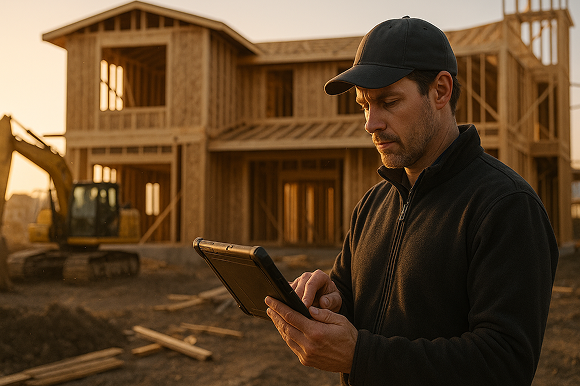
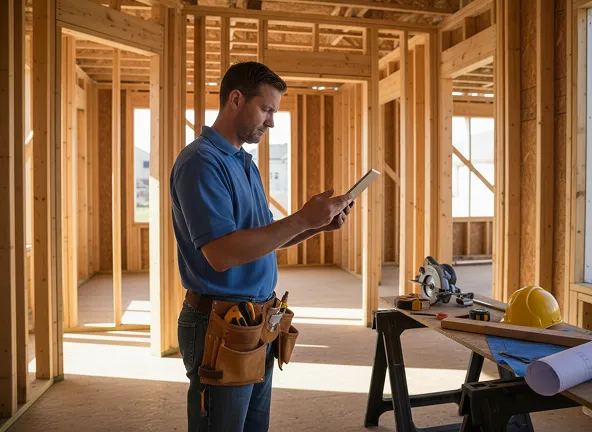
Modern takeoff is no longer just about counting symbols on a PDF. With mobile CAD, takeoff, and estimating in a single workflow, contractors can design, measure, and price in the field - while the customer is still standing there.
When we built ArcSite, we focused on three goals specialty contractors care about most:
- Speed - Create clean site drawings, capture measurements, and generate estimates in minutes, not hours.
- Accuracy - Let software handle calculations, area and length measurements, and part counts so quantities are right the first time.
- Consistency - Use standard shapes, assemblies, and pricing libraries so everyone on the team estimates the same way.
The result is a takeoff process that does more than just replace paper. It becomes a reliable profit engine that reduces waste, protects margin, and improves close rates.
From site visit to signed proposal: A practical workflow
Here is how a typical ArcSite-powered workflow looks for a specialty contractor in the field:
1. Capture the site with a clean drawing
Instead of rough sketches on graph paper, your team uses a tablet to draw the project space to scale. Walls, utilities, obstacles, and key dimensions are captured accurately on the first visit.
Every line and shape is smart data, not just a picture. That makes it possible for the software to perform precise measurements immediately.
2. Drop in assemblies and components
Next, your field rep drags and drops symbols or assemblies that represent your real-world products and services - for example, fixtures, runs, panels, or system layouts specific to your trade.
Each item can have labor, material, and accessory assumptions baked in. That means one action on the drawing automatically updates quantities and estimated costs behind the scenes.
3. Generate instant quantities and pricing
Because the drawing is to scale and your item database is configured, takeoffs are generated automatically. Lengths, areas, and counts are calculated without manual math, reducing human error.
With pricing attached, the estimate is built as you draw. You can toggle options, adjust scopes, and see how changes affect the price in real time - while standing with the customer.
4. Present a polished, detailed proposal
Finally, you turn that drawing and takeoff into a clear, professional proposal. Line items, totals, terms, and even visuals from the drawing help the customer understand exactly what they are getting.
This level of clarity reduces scope confusion, protects you from disputes, and helps justify your price compared to a vague, single-number quote from a competitor.
Where the hidden ROI comes from
Many teams first look at digital takeoff tools for speed. They quickly realize the bigger payoff comes from accuracy and consistency. Here are the main ROI drivers we see contractors capture:
- Less material waste - Precise quantities mean you buy closer to what you actually need. That reduces over-ordering and scraps without risking shortages.
- Higher close rates - Professional drawings and detailed estimates build trust with customers, helping you win more of the bids you submit.
- Stronger margins - When takeoffs are accurate and pricing is standardized, you are less likely to underbid labor or materials just to get the job.
- More bids per week - Faster takeoffs free up your best people to quote more work without adding headcount.
- Less rework and fewer surprises - Clear scope, documented visually, reduces change order battles and callbacks.
Individually, each of these might look modest. Together, they compound across every project. That compounding effect is the hidden ROI of accurate takeoff methods.
Implementation: How to get your team on board
Even when the benefits are clear, change can be tough. Field reps and estimators are busy; they do not always have time or patience for new tools. A few practical steps make adoption smoother:
Start with one or two champions
Choose a couple of tech-comfortable team members to pilot the workflow on real jobs. Let them refine your templates, assemblies, and pricing in the software before rolling it out broadly.
Build standard templates and assemblies
Front-load a bit of setup work: create common layouts, assemblies, and default options that reflect your real jobs. This makes the tool feel immediately useful and keeps estimates consistent.
Train with real projects, not generic examples
Short, focused training sessions using your own drawings, products, and pricing help the team see how the tool applies directly to their day-to-day work.
Measure and share early wins
Track a few simple metrics from the start: time to produce an estimate, number of bids per week, and average margin. Share quick wins with the team so they see the payoff from changing habits.
Measuring ROI on digital takeoff
To justify and fine-tune your investment, it helps to define what success looks like. Many ArcSite customers focus on a handful of practical metrics:
- Estimate turnaround time - How long does it take from receiving a request to sending a proposal? Track before and after implementing digital takeoff.
- Bids per estimator per week - Are you able to quote more work with the same staff?
- Win rate - Does your close rate improve once you start presenting clearer drawings and more detailed estimates?
- Average project margin - Are you seeing fewer jobs where profit disappears due to missed quantities or underpriced labor?
- Material variance - How closely do your purchased quantities match your estimated quantities?
Even small improvements in each area can have a noticeable impact on annual profit. Because takeoff sits so early in your workflow, better accuracy there multiplies benefits throughout the job lifecycle.
Bringing accurate takeoff to the field
Accurate takeoff used to be a back-office function. Today, with mobile CAD and integrated estimating, it can happen right where the work does - at the job site, in front of the customer.
By equipping your team with tools that make it easy to draw, measure, and price accurately, you reduce waste before it ever appears on a purchase order and protect profit before the job ever starts.
If you are ready to see how this could work for your team, we would be happy to walk you through it in detail. Book a demo to see ArcSite in action and explore how accurate, digital takeoffs can help you reduce waste and boost profit on every project.
Categories


FAQs
Inaccurate takeoffs lead to material waste, change orders, compressed margins, slow estimating cycles, and inconsistent results, which collectively reduce profitability.
It enables fast, accurate, and consistent creation of scaled site drawings, automatic calculations, and professional proposals directly in the field, improving speed, accuracy, and consistency.
The workflow includes capturing a scaled site drawing on a tablet, adding assemblies and components with labor and material assumptions, generating instant quantities and pricing, and presenting a polished, detailed proposal to the customer.
Hidden ROI comes from less material waste, higher close rates, stronger margins, more bids per week, and fewer rework and surprises due to clear scope documentation.
Start with tech-savvy champions, build standard templates and assemblies, provide training with real projects, and measure and share early wins to encourage adoption.
Related posts