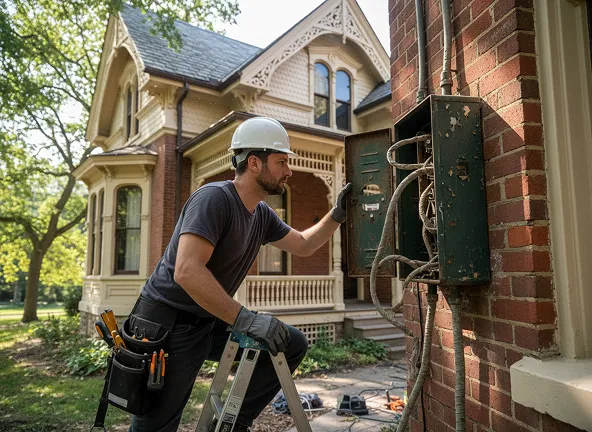


What Is an Electrical Retrofit?
An electrical retrofit refers to the process of updating old or outdated electrical systems, components, or lighting fixtures in an existing building to improve performance, safety, and efficiency. This includes anything from upgrading wiring and circuit panels to replacing fluorescent lighting with energy-efficient LEDs.
Retrofitting is common in older commercial buildings like warehouses, factories, offices, and retail spaces—many of which are decades behind code or costing their owners more in energy bills than they should.
For contractors, electrical retrofits offer a steady stream of high-value work with increasing demand as building owners seek to improve efficiency, reduce costs, and meet modern safety standards.
Why Offer Electrical Retrofits?
If you’re an electrician or general contractor looking to grow your business, adding retrofit services can help you tap into commercial work with larger budgets, repeat clients, and strong profit margins.
Top Benefits for Contractors:
- Steady commercial demand
- High average job values
- Simple upsell opportunities (panel upgrades, LED lighting, energy monitoring systems)
- Improves your clients’ energy efficiency and compliance
- Builds long-term relationships with property owners & facility managers
What Types of Electrical Retrofits Can You Offer?
Electrical retrofitting isn’t a one-size-fits-all service. Depending on the building’s needs and your specialization, here are common retrofit categories:
1. Lighting Retrofits
- Replace old fluorescent or HID fixtures with LED
- Improve lighting layout for visibility and safety
- Reduce load and maintenance costs
2. Panel and Circuit Upgrades
- Modernize old panels to meet code
- Add circuits to support new equipment
- Prevent overloads or fire hazards
3. Rewiring and Conduit Replacement
- Replace outdated aluminum or cloth wiring
- Bring systems up to NEC compliance
- Prepare facilities for future expansion or remodels
4. Load Balancing & Distribution Optimization
- Reconfigure panel setups
- Ensure critical equipment has isolated, reliable power
- Reduce risks of downtime or outages
5. Energy Monitoring and Smart Controls
- Install energy meters or BMS (building management systems)
- Integrate automation tools (timers, occupancy sensors)
How to Get Started with Electrical Retrofit Work
Thinking of adding this to your service lineup? Here’s a step-by-step process to get you moving:
Step 1: Know the Codes
Before you quote, make sure you’re up to date on NEC requirements and local AHJ (Authority Having Jurisdiction) rules. Many retrofits are driven by non-compliance issues, especially in commercial environments.
Step 2: Offer Energy Assessments
If you can walk a building with the owner and show them how much they’re overpaying for outdated lighting or inefficient load balancing, you're more likely to close the job. ArcSite lets you document these walkthroughs with drawings, notes, and photos all in one place.
Step 3: Create a Visual Estimate
Clients often don’t understand kilowatt loads—but they get line drawings. Use ArcSite to sketch the building layout, mark key retrofit zones, and drop icons for panels, fixtures, or new conduit runs. Tie those items directly to pricing for a clear, visual proposal.
Step 4: Build a Retrofit Product Library in ArcSite
ArcSite lets you build custom bundles for common retrofits:
- 2x LED fixtures + 1 dimmer switch = 1 lighting retrofit bundle
- Load balancing bundle = time + new breakers + panel rework
This lets you create fast, repeatable quotes without manual math.
Step 5: Quote & Invoice on the Spot
ArcSite doesn’t just calculate—it lets you send polished, branded proposals with drawings, material lists, and total costs. You can even collect a deposit before leaving the site.
The Quick Overview of Electrical Retrofits
Electrical retrofits involve upgrading existing electrical systems—like lighting, wiring, or power panels—to improve energy efficiency, safety, and overall performance. Costs can range from $2,000 for a basic lighting upgrade to $20,000 or more for full-scale facility retrofits, depending on the building's size and needs. Most retrofit projects take 1–5 days and require permits, especially when they involve panel changes or new wiring. Many retrofits also qualify for energy rebates or tax incentives. Contractors can use tools like ArcSite to streamline estimating, visually plan timelines, and produce accurate, professional quotes on the spot.
How ArcSite Makes Electrical Retrofit Work Faster and More Accurate
✅ Draw directly over photos or plans
✅ Add materials, labor, and permit costs with prebuilt pricing
✅ Generate proposals with takeoffs and job costs baked in
✅ Collect digital signatures and deposits onsite
✅ Build a reusable product library for future projects
Final Thoughts: Is Electrical Retrofit Work Worth It?
Yes—especially if you’re a contractor looking to:
- Get into commercial electrical work
- Offer value-driven upgrades for existing clients
- Build long-term maintenance or service contracts
Retrofit work is a low-barrier, high-value service line—one that can be scoped, sold, and delivered faster with the right tools. ArcSite helps you do all three.
Try ArcSite for Free
Want to quote retrofit work with better accuracy and fewer headaches? Get a personalized demo to see how ArcSite can streamline electrical retrofitting jobs and get free trial for your team.
Categories
FAQs
An electrical retrofit is the process of upgrading old wiring, panels, lighting, or power distribution systems in an existing building. The goal is to improve safety, energy efficiency, and overall electrical performance without doing a full system replacement.
Common signs include flickering lights, overloaded panels, hot outlets, tripped breakers, older fluorescent fixtures, aluminum or cloth wiring, or rising energy bills. A walkthrough with photos and notes—captured easily in ArcSite—helps you identify issues quickly.
Costs vary based on building size and scope. A small lighting retrofit might cost a few thousand dollars, while full wiring or panel upgrades can run tens of thousands. Accurate pricing requires a detailed site assessment and a visual estimate.
In most cases, yes. Any work involving wiring, panels, circuits, or load adjustments usually requires a permit and follow‑up inspection. Contractors should confirm local codes and include permit timelines in their estimates.
Using a mobile tool like ArcSite helps. You can draw the existing layout, mark retrofit zones, attach photos, build a custom pricing library, and create proposals—all onsite. This speeds up quoting, improves accuracy, and reduces follow‑up visits.
Related posts